Boosting employment for people with a learning disability
Project Background
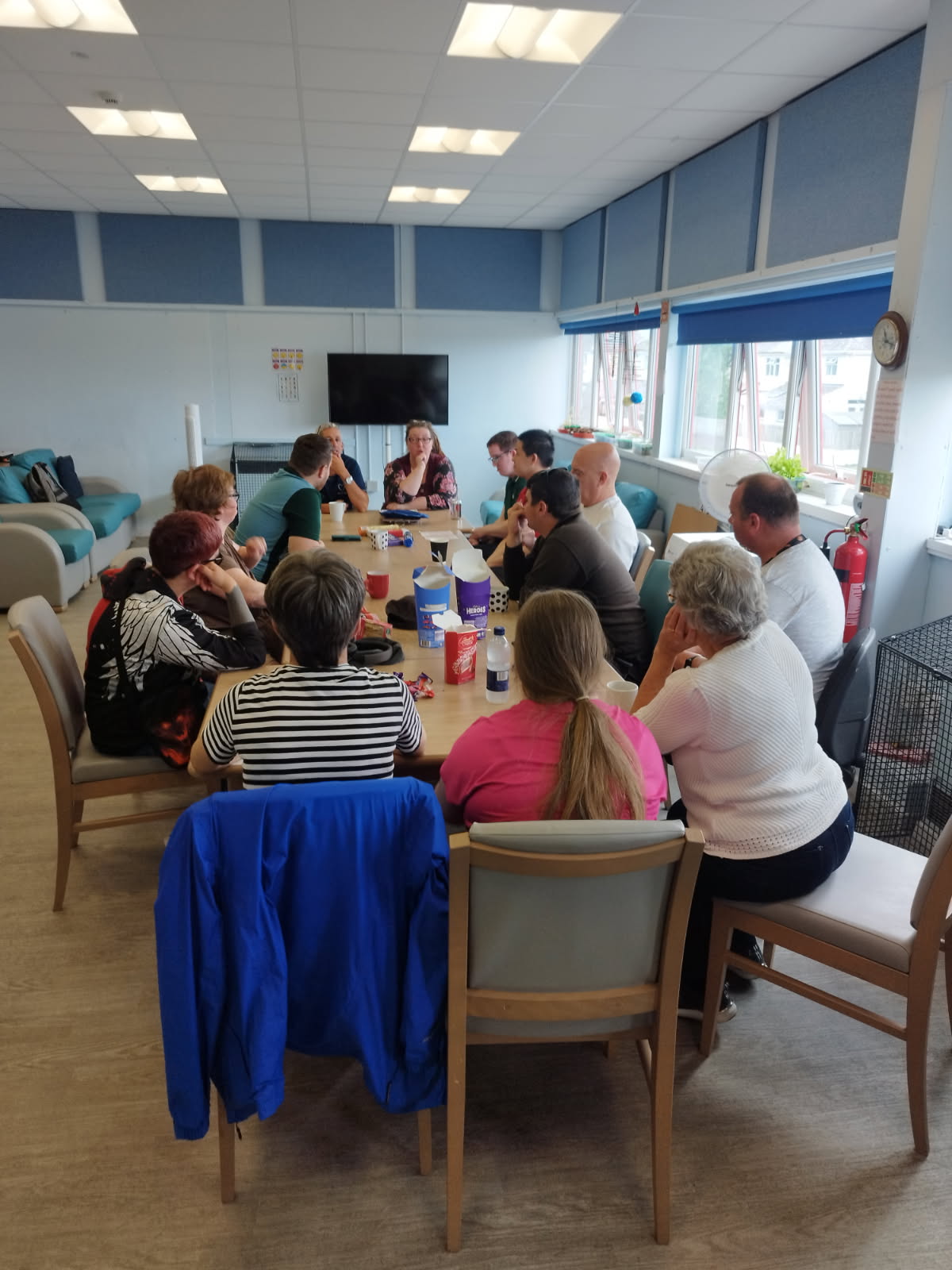
Paid employment is not always viewed as a realistic alternative to day opportunities for people with a learning disability and their families. This IMPACT Facilitator project in collaboration with North Wales Together sought the seldom heard perspectives of people with a learning disability and their families to understand opportunities and barriers to employment. This included understanding pathways to employment, what supports or challenges, experiences at work, and co-producing lessons to share with others with a learning disability who are keen to pursue paid employment.
IMPACT Factfile
- Year: 2024 – 2025
- Delivery Model: Facilitator
- Four Nations: Wales
- Themes:
- Resources:
Engagement and findings
What did the evidence review tell us?
Employment offers social inclusion, improved mental well-being, and life satisfaction for people with learning disabilities. However, many individuals face barriers including: discrimination and stigma, poor workplace accommodations and fear of loss of disability benefits. A key gap identified in the evidence base was the lived experience of families in the context of evolving Welsh policy and the Supported Employment Strategy rollout in North Wales. This IMPACT project aimed to respond to that gap directly.
What did we learn?
Project actions
- Findings are presented around the following themes: 1) people and relationships, 2) pride and personal satisfaction, 3) practical barriers to employment, 4) the role of family, 5) misconceptions and stereotypes.
- People and relationships – Family played a pivotal role as advocates, researchers and emotional buffers.
- Pride and personal satisfaction – having a routine and something to look forward to was life-enhancing.
- Practical barriers to employment – Even when motivation was high, the external environment often made employment feel distant or impractical. Challenges included: transport, insecure contracts, lack of route to career progression and a requirement for money management.
- The role of family – Families want employment to feel realistic, safe, and meaningful. They need reassurance that support will stay in place. Those who felt better informed or saw success stories were more likely to support a family member to take steps toward employment.
- Misconceptions and stereotypes – this included by professionals and families as well as employers.
Host Agency: North Wales Together
North Wales Together is a partnership between the six local authorities in North Wales, Betsi Cadwaladr University Health Board, the North Wales Flyers and the wider learning disability community in North Wales. Thanks are extended to Anglesey and Gwynedd County Council Social Services for leading on this project on behalf of the North Wales Together Partnership.
Why did you want to be involved with IMPACT?
We are delighted to be working with Impact on this project because of the focus on co-production. The emphasis of the Facilitator on bottom-up change projects in local services is exactly the expertise our project requires and fits with the value the programme places on co-designing solutions with the learning disability community. Additionally. The opportunity to work with IMPACT gives us additional resources and expertise to take this project forward.
What are your hopes for the outcomes of this project?
Our aspirations and hopes for the project is that progression to, and support for, paid employment will be the golden thread the runs through our work in this area – key to this will be the process of co-producing with individuals and families, raising their aspirations and expectations in the process so that they too “demand” more from these services and have a greater understanding of the range of wellbeing benefits that can flow from being in well matched, open paid employment. Thus culture and attitudinal change is at the heart of our project which is where the skill set and expertise of the Facilitator will add value.
Why do you think a centre like IMPACT is important?
North Wales Together is fundamentally a programme aimed at improving the lives of people with learning disabilities based on what is important to them in their lives. We felt IMPACT’s own motto “good support isn’t just about ‘services’ – it’s about having a life.” and the principles on which it operates fit well with the driving values of the programme including the focus on co-production and the importance having evidence from a range of sources to build the case for change.
Having access to resources such as the Facilitator, to enable such projects to be undertaken alongside operational delivery adds clear value to these services. The other aspect of the centre that we feel is vitally important is having a platform to share learning from the projects locally, regionally, nationally and across the UK.
Meet Our Facilitator: Soracha Cashman
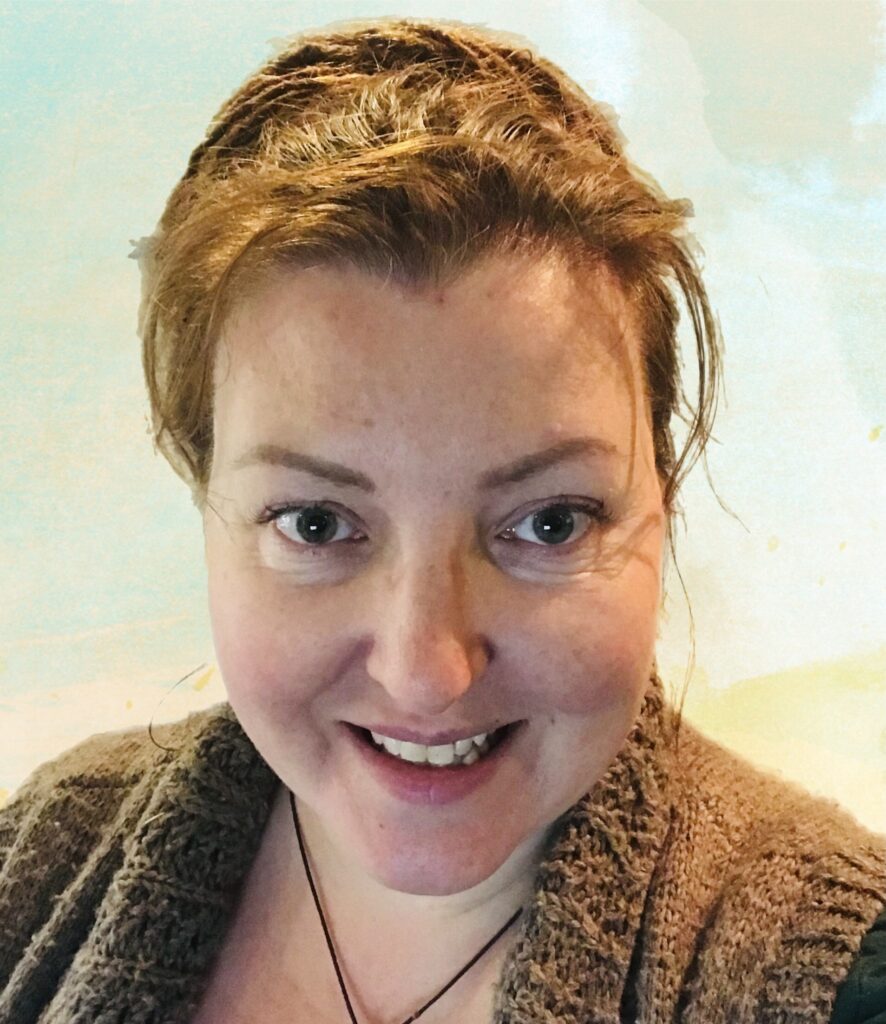
Soracha Cashman
My experience consulting in the voluntary sector and the private care sector has shown me just how much unaddressed need there is out there. I am a strong advocate of community social action, community collaboration and community development, and believe that IMPACT is a really inspiring initiative.
After a year working with IMPACT running a Demonstrator Project in North Wales, I can really see the potential for the application of evidence to practice. I am committed to having frank and emotionally honest conversations with communities about what they need, and with providers about how we can best shape the social care of the future to meet those needs.
We hope the project will give us some insight into how evidence-based interventions can improve the independence of people with learning disability, empowering them and creating a more inclusive employment market.
We hope the learning from this project will be able to be shared and implemented/adapted by other local authorities ultimately improving outcomes for people with learning disabilities and their carers on a larger scale.