It’s been a busy few weeks for members of IMPACT Co-production Advisory Group – with lots of new projects within their IMPACT roles and exciting opportunities beyond. Find out more about what Ross, Jacqui, Luke and Isaac have been up to.
Ross Anderson, Northern Ireland
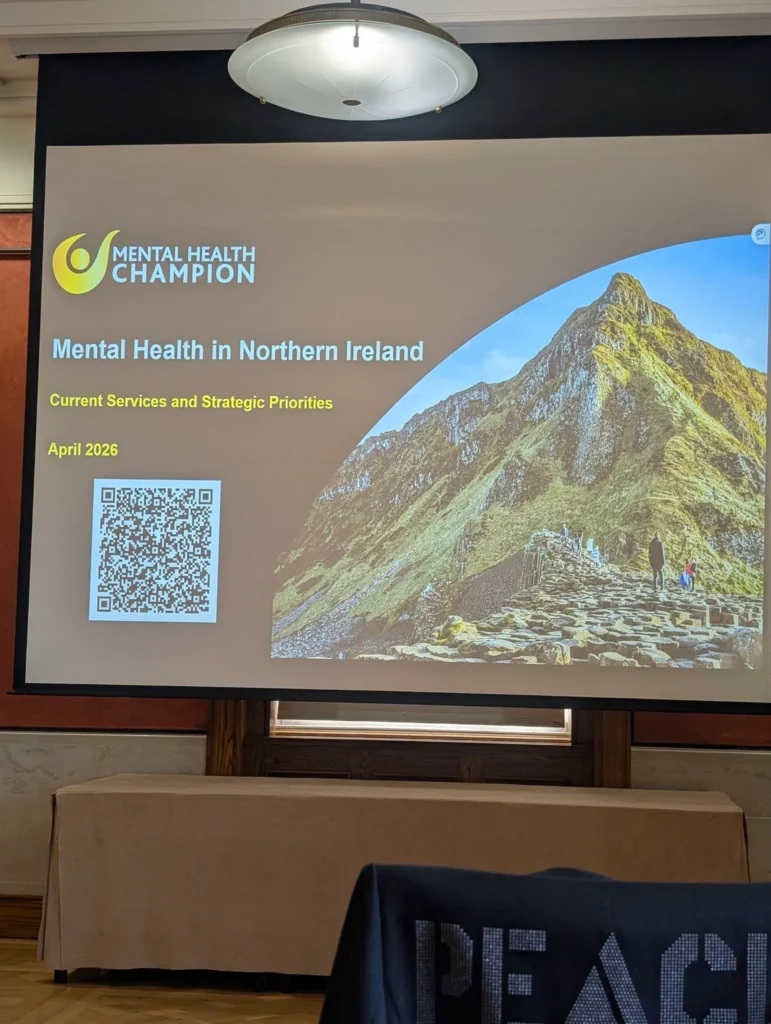
Recently, I had the opportunity to attend the launch of the Northern Ireland Mental Health Champion’s 2026 report into mental health services. I’ve met Ulster’s Professor of Mental Health Sciences, Siobhan O’Neill, a couple of times in my lived experience work. She has always been a fantastic support for me, and for those pushing for more lived experience involvement in health and social care services.
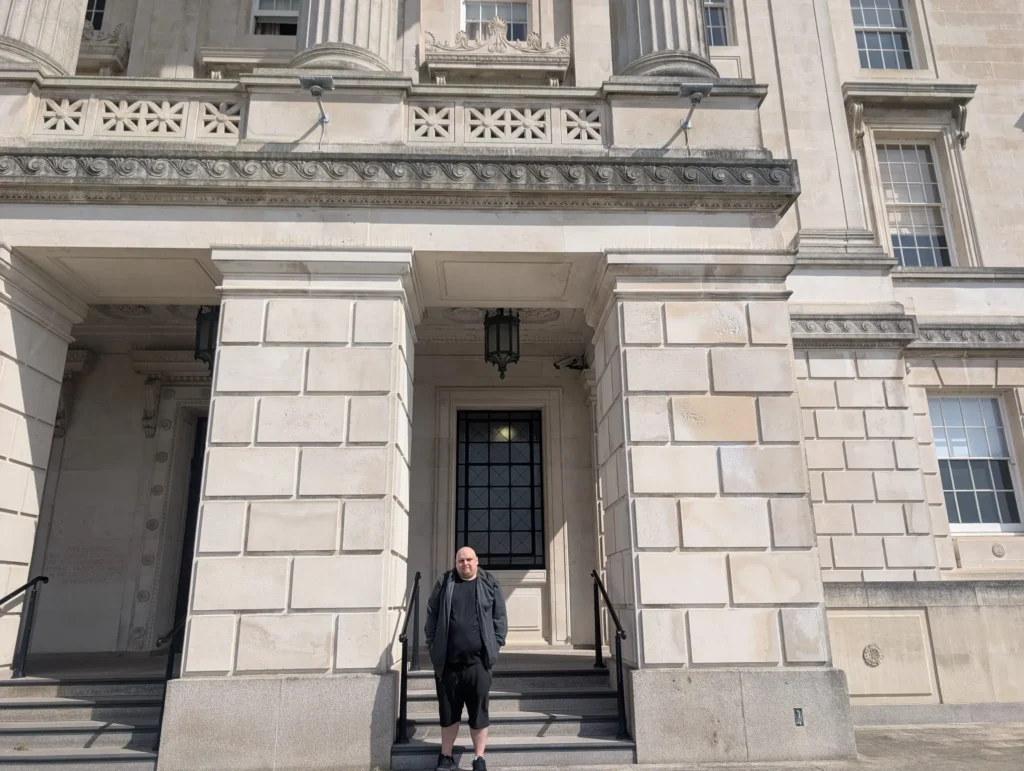
The launch was held at Stormont and was attended by a variety of stakeholders from the mental health sector around Northern Ireland. While the report itself outlines a very unfortunate state of affairs, the work that Siobhan and her team put into it cannot be commended enough. For someone like myself, having publicly available and up-to-date statistics gives me something concrete to reference when bringing forward ideas for co-production; as she says in the foreword:
“I hope it also serves as a valuable resource for people with lived experience, carers, and advocates, highlighting both progress, and areas where further change is needed.”
Being able to attend events such as this is a fantastic way to network and a chance to talk to people with both a real interest or with decision making power in the health services. I was able to talk to some people doing fantastic work in co-production in areas such as rural communities, and got the chance to have a conversation with policy makers to try and bring about opportunities for lived experience platforms to meet and talk with the Mental Health All-Party Group.
For a lot of people events like these can be just another day in the diary, or maybe even a slight annoyance – but for some of us they really can be influential in our personal development, capacity building and recovery. I’m grateful for how receptive Siobhan has always been with us.
Jacqui Darlington, England
I attended the ADASS Spring Seminar, to give a speech about care closer to home. I care for my adult son, who is 33 years old. He has Down’s syndrome, autism, and no understandable speech. Prior to this, I was a sandwich carer – caring for my mum and my son.
For us, the positives of care closer to home are:
- Fewer hospital trips – More community clinics, virtual wards, and home-based support can reduce long journeys and waiting around in hospitals.
- Earlier intervention – Community teams can step in sooner, which may prevent crises that fall heavily on families.
- More coordinated support – In theory, integrated neighbourhood teams should make it easier for carers to communicate with professionals and get help when needed.
- Better continuity of care – Seeing the same community nurses or therapists can reduce the burden of repeating information and managing fragmented care.
However, the negative evidence shows that unpaid carers already carry a huge load, and “care closer to home” can end up being their responsibility with:
- Increased hours of care – Many carers are already providing more hours year-on-year; half reported rising caring hours in 2025.
- More tasks done at home – When services move out of hospital, carers often take on clinical-type tasks (medication management, mobility support, personal care).
- Transport – living rurally does not necessarily mean you can get to the appointments and you may need to take taxis
- Financial strain – Nearly half of carers have cut back on essentials to keep caring going.
- Impact on work – Working-age carers are less likely to stay in employment, especially those providing 35+ hours a week.
- Health impacts – Two in five carers report worsening physical health, and three-quarters experience stress or anxiety.
Care closer to home can reduce hospital dependence, but without strong community services, it risks increasing the workload on the unpaid carer. While the intention is positive, the lived experience can be mixed: more care at home can be empowering – but only if community services are properly funded and carers receive real support.
Luke Nash, England
Luke Nash was invited by his local council to go on BBC Radio Leicester as part of Social Care Day live from County Hall. There were other members of the Engagement Panel there too, and you can listen back on BBC Sounds.
Isaac Samuels, England
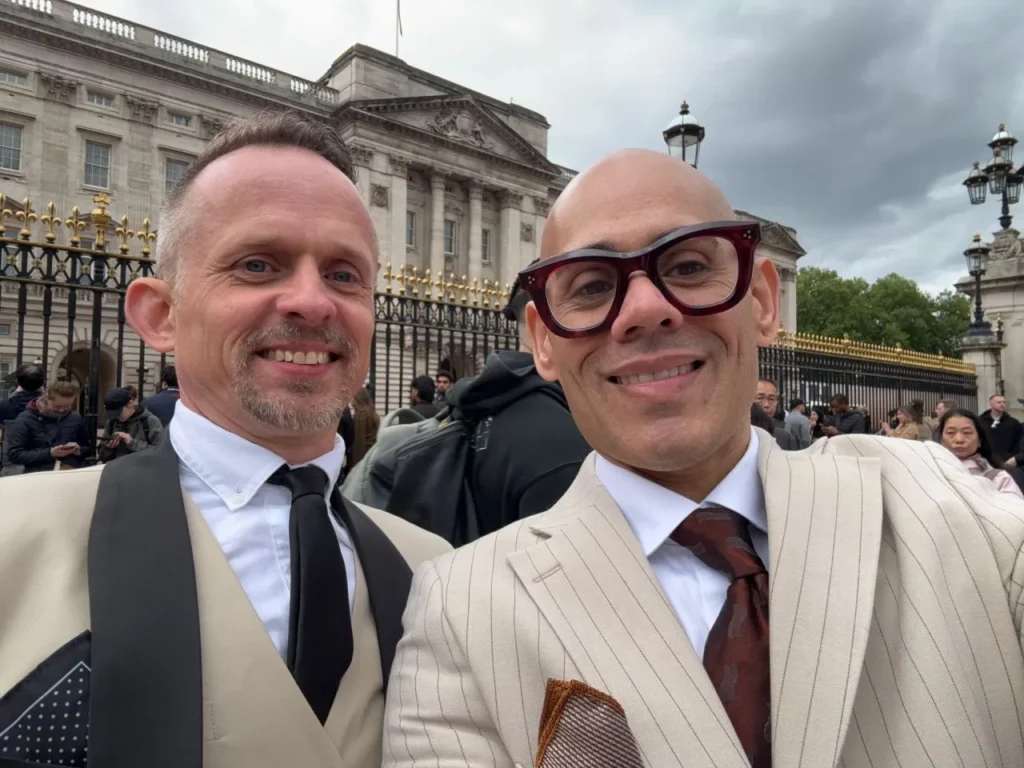
This week, I had the incredible honour of being invited to Buckingham Palace in recognition of my dedication to social care. It was a truly humbling experience and a privilege I will never forget.
A heartfelt thank you to Professor Oonagh Smyth CBE and all of my wonderful colleagues at Skills for Care for recognising my leadership and continued commitment to the sector. It was also inspiring to stand alongside so many incredible people whose lived experience of social care has become a powerful force for leadership, advocacy, and change.
Many of us have walked difficult paths, and to see those experiences transformed into meaningful leadership roles was deeply moving. This invitation felt especially significant because it reflected not only individual achievements, but also the strength, resilience, and voice of our wider social care community.
Despite some very difficult things happening in my personal life at the moment, it meant a great deal to spend the day in a space where people’s contributions were recognised, valued, and celebrated. I left feeling grateful, uplifted, and reminded of why this work matters so much.
Thank you to everyone with lived experience who has supported, encouraged, and inspired me along the way, and to all of my amazing colleagues across social care. I am endlessly grateful to walk this journey beside you.
And finally, thank you to Think Local Act Personal for being part of such a memorable and special occasion.
Here’s a snapshot from our wonderful day at the Palace:
(message taken from Isaac’s LinkedIn.)