
Marivjena Menka, one of IMPACT’s National Embedding Managers, shares her reflections on Street Paws’ parliamentary event
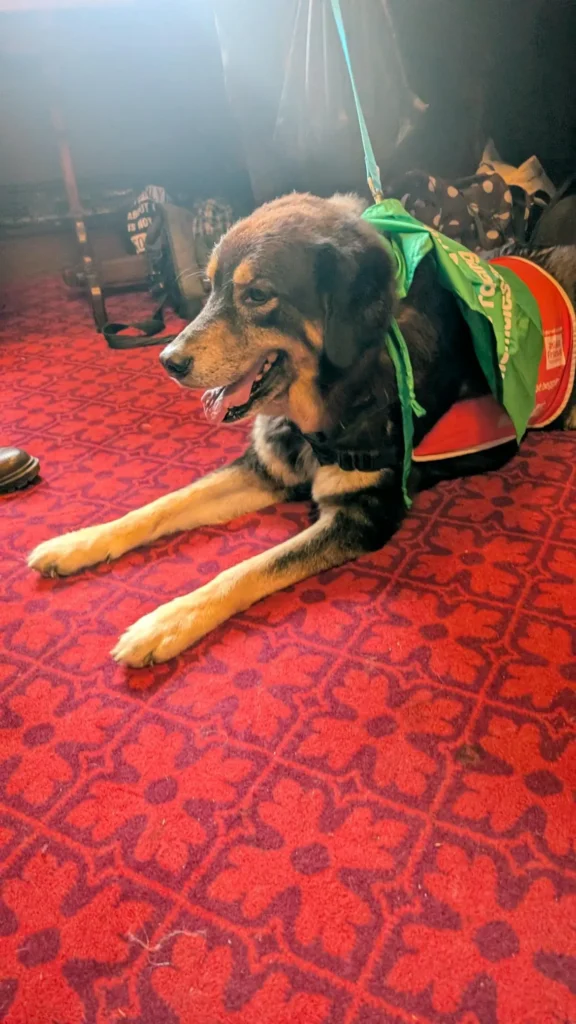
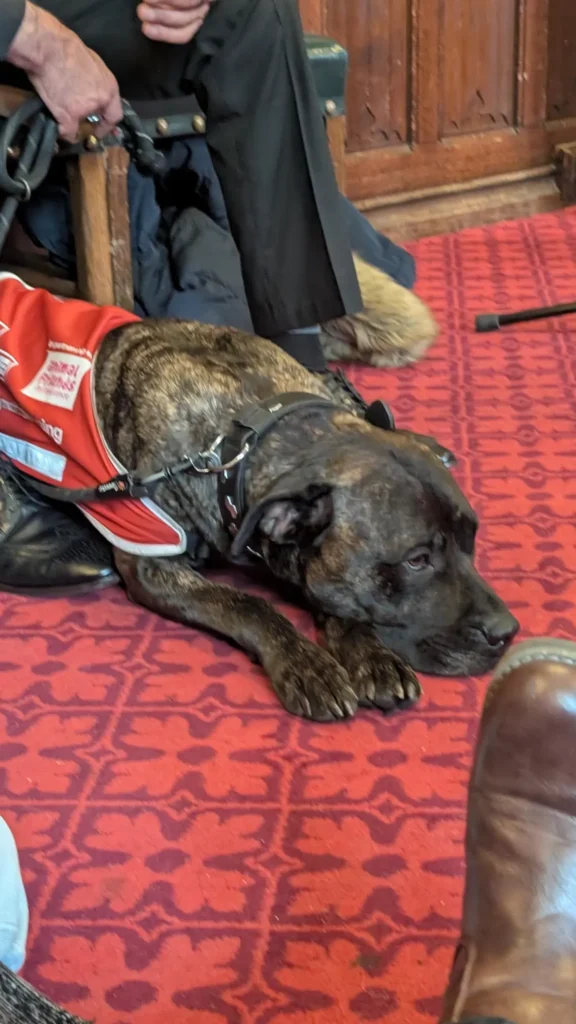
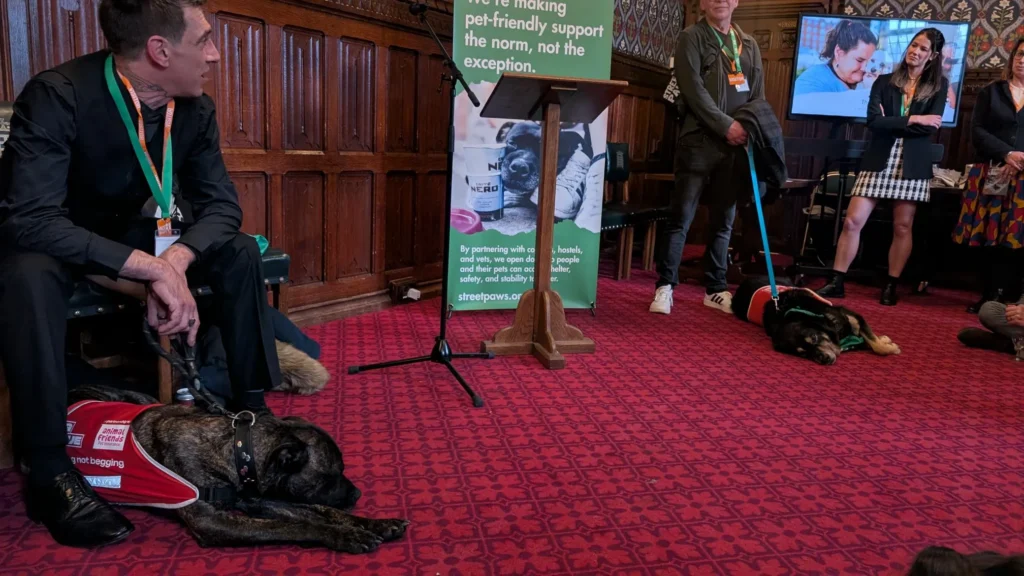
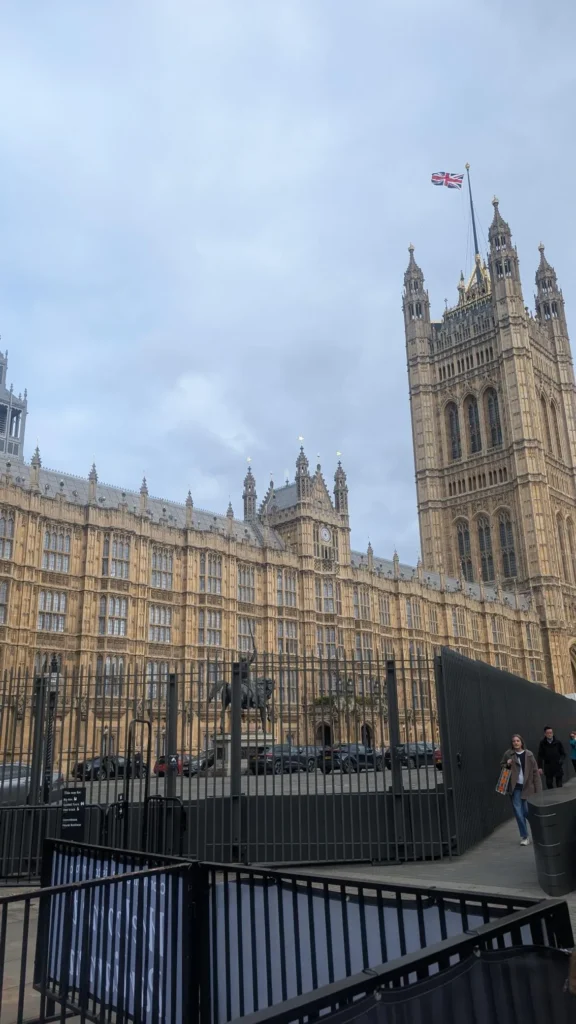
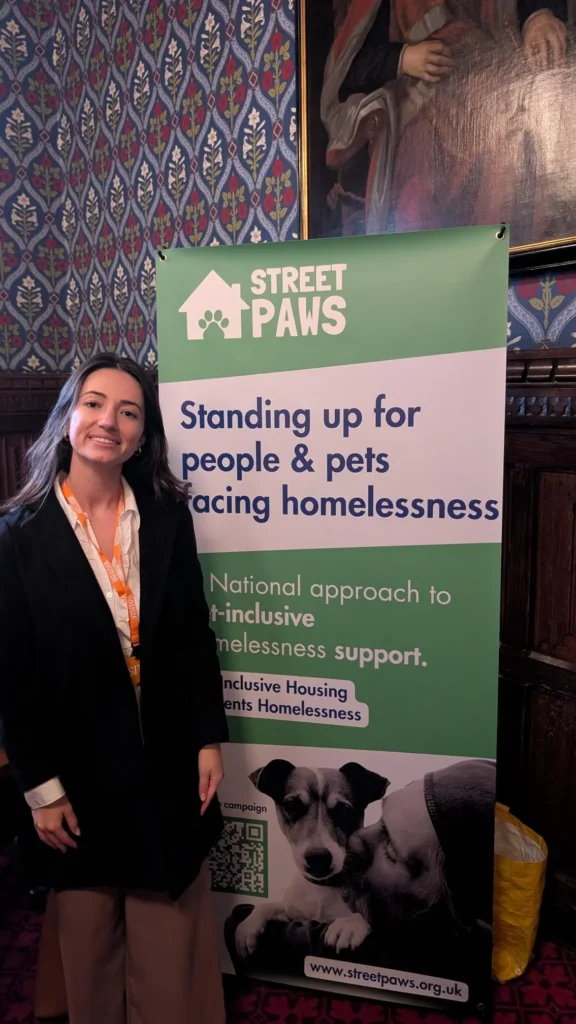
In May, I travelled to London for the Street Paws “No One Left Outside” parliamentary event at the Palace of Westminster. The event centred around Street Paws’ campaign advocating for a national approach to pet-inclusive homelessness support.
I was invited to support the ongoing work of one of our Facilitators, Rosie, who has been working closely with Street Paws on a project, exploring how pet inclusion can be embedded within homelessness accommodation using a strengths-based approach. This work aims to shift the narrative away from a compliance-based model, where pets are often seen as a barrier, to one that recognises the strengths and value of the human-animal bond. Pet-inclusive accommodation isn’t just about animals, it’s about respecting how people choose to live. By ensuring people to stay with their pets, we remove a key barrier that can push people towards, or keep them in, homelessness.
This Facilitator project has already achieved several key objectives, including:
- listening to people with lived experience and professionals across the homelessness and animal welfare sectors;
- co-designing ideas through workshops and;
- bringing stakeholders together to share insights, stories and practical solutions.
Its intended impact is to create a practical, ready-to-use policy template that empowers commissioners and providers to design more inclusive, pet-friendly services while ensuring support reflects how people really live.
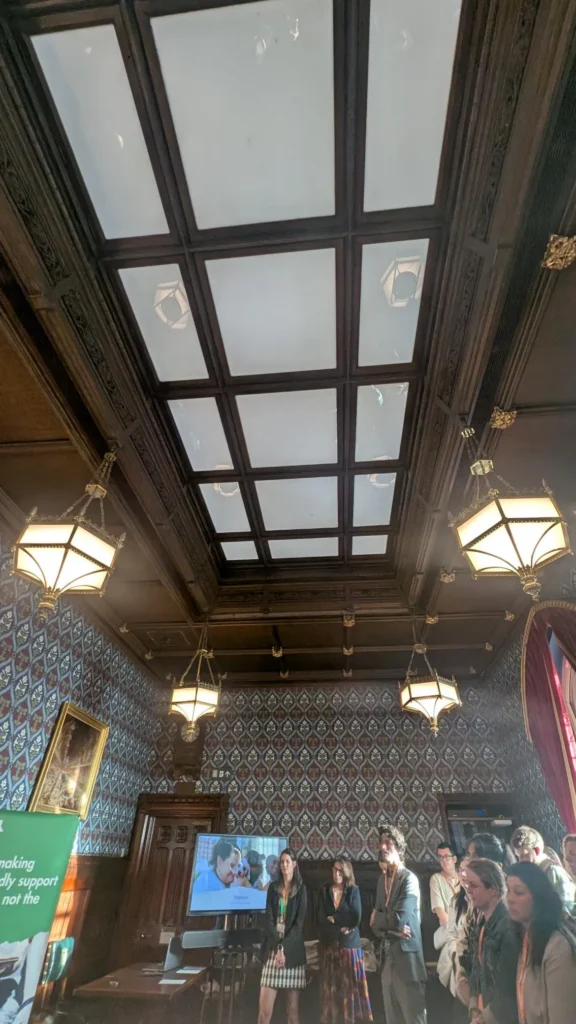
Hosted by Irene Campbell MP, the event itself highlighted the importance of ensuring that people are not separated from their pets when accessing temporary accommodation and wider support services. The event also drew wider political support, with MPs backing the campaign for more pet-inclusive housing. Discussions emphasised the vital role pets play in wellbeing, stability and companionship, particularly for individuals experiencing homelessness.
Several key challenges were explored during the event, including the difficulties many people face in finding accommodation and support services that allow them to remain with their pets. Individuals with lived experience shared that people are often denied shelter or support simply because they have a pet. According to Street Paws, until recently only 10% of hostels and temporary accommodation services accepted pets. This creates a devastating dilemma, forcing individuals to choose between a safe place to stay and their animal companion.
Throughout the evening, speakers shared insights from across the sector. Michelle Southern OBE, Founder and CEO of Street Paws, spoke about the charity’s work supporting people experiencing homelessness alongside their pets, and the importance of maintaining the human-animal bond during periods of crisis. Contributions from researchers, activists, animal welfare professionals, and people with lived experience highlighted the value of compassionate, inclusive approaches when designing support services. It was encouraging to hear Rosie’s project referenced during the event, highlighting the positive impact of this work.
Wider housing and policy considerations were also discussed, including developments in renters’ rights and the increasing focus on pet-friendly accommodation. The Renters’ Rights Bill strengthens pet inclusion by giving tenants greater rights to request keeping a pet and requiring landlords to consider these requests reasonably helping remove a major barrier to stable housing.
Beyond the focus on pets, the event reinforced broader themes around the importance of listening to individuals, understanding diverse needs and designing services that are flexible, inclusive and person-centred. Taking a strengths-based approach means focusing on people’s abilities and relationships, while recognising their needs and aspirations. This help individuals build confidence and develop greater independence. Ultimately, this not only improves personal outcomes but also contributes to the prevention of homelessness and reduces long-term social and economic costs.
The event also provided valuable opportunities for organisations across the sector to connect and share learning, reinforcing the importance of partnership working and collaboration when addressing complex social issues.
The “No One Left Outside” campaign continues to raise awareness of the need for more inclusive support and accommodation. We’re proud to contribute to this conversation and are committed to promoting approaches that prioritise choice, control and flexibility while ensuring services are designed around people rather than systems.