Housing models for people with learning disabilities
Project Background
IMPACT Facilitator, Marlene, worked on a project hosted by Thera Trust, exploring different housing models for people with learning disabilities. IMPACT’s approach is all about using evidence to make real changes in adult social care – working closely with organisations, drawing on research, practice knowledge, and lived experience to improve people’s lives.
IMPACT Factfile
- Year: 2024 – 2025
- Delivery Model: Facilitator
- Four Nations: England
- Themes:
- Useful Resources:
Evidence review
The evidence review that shaped this project highlighted three key areas: housing and wellbeing, housing allocation, and design adaptations. It showed that when people live in homes that suit their needs and choices, they’re happier, healthier, and more connected. Co-production and choice are crucial; housing should feel like a home, not an institutional-type setting. Features like layout, soundproofing, and outdoor access can make a huge difference to wellbeing and independence.
What we did
This Facilitator project focused on how Thera Trust could increase engagement with local authorities and commissioners about person-led housing. To explore this, Marlene spoke with around 40 people; adults with learning disabilities, family members, and professionals, to understand what works, what doesn’t, and what could change.
People shared their experiences of a wide range of housing models: from independent living to shared homes and supported accommodation. Each story revealed a clear message, that everyone’s preferences are different, and one size does not fit all.
What we learned
A few clear messages came through:
- Community counts: belonging, friendships and local connections are vital to feeling at home.
- Personalisation matters: homes should reflect individual preferences and routines and should not feel like workplaces.
- Communication is key: families, providers, and councils need to talk more and assume less.
- Funding shapes everything: too often, support is based on “coping” rather than “thriving”.
- Moving can be hard: once people are placed somewhere, it can take years to move again, even if it’s not the right fit.
Making voices heard
After listening to everyone’s experiences, the big question was: How can we make sure decision-makers hear this?
Together we created an open letter to Commissioners, written in collaboration with people with learning disabilities. To bring it to life, participants helped make a short film featuring their narrative, through words, drawings, and easy read posters. It’s a powerful piece, just over 4 minutes long, that we hope everyone involved in commissioning services will watch.
We also produced a summary report, and shared findings through presentations to IMPACT and Thera Trust teams.
Successes and challenges
The biggest success has been seeing how people’s stories have shaped the project. Every conversation added depth and meaning to this project.
Looking ahead
This project reinforced that when people are involved in decisions about where and how they live, outcomes improve for everyone.
Meet our Facilitator: Marlene Kelly
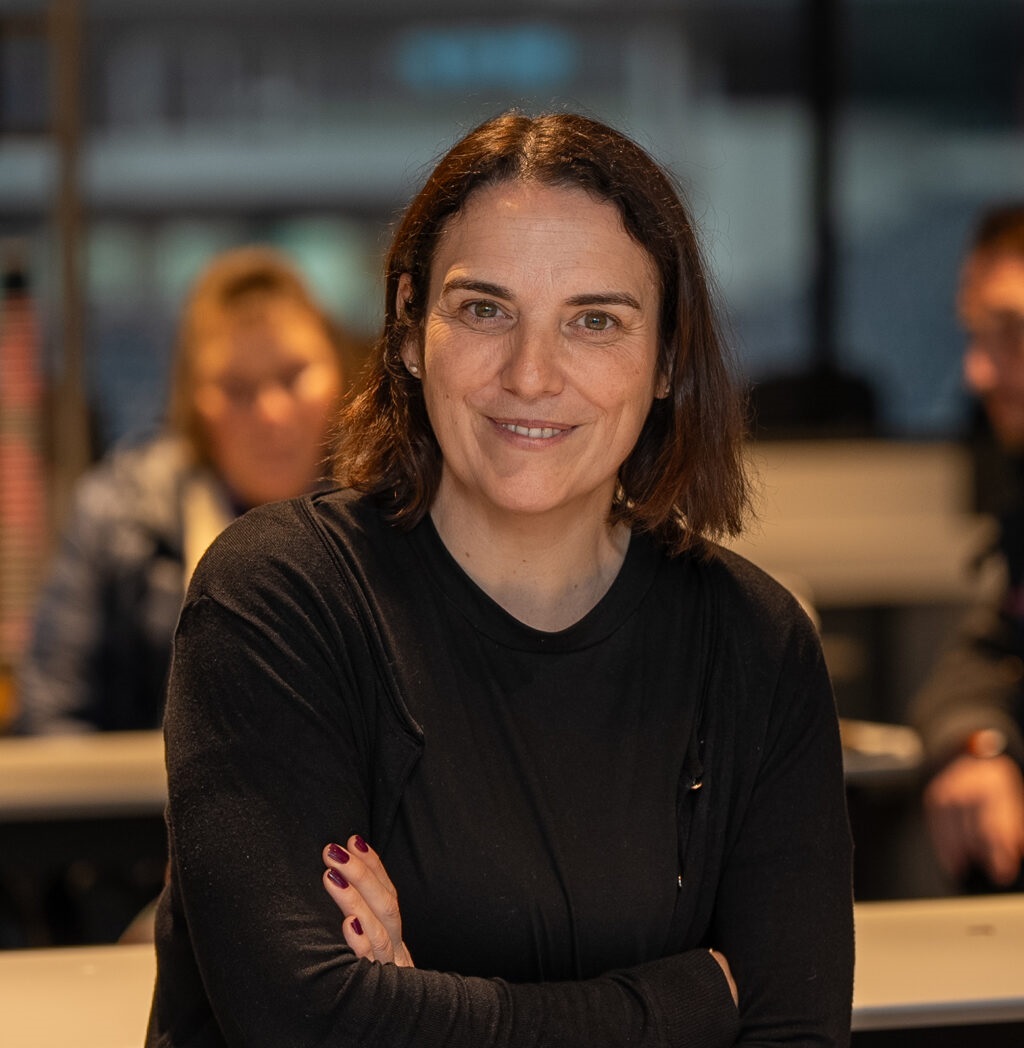
Marlene Kelly
I enjoy working 50% in practice and 50% in research because I’m passionate about making research accessible to those in practice. IMPACT has been a fantastic organisation for developing my skills in facilitating research and boosting my confidence.
Project Host Organisation: Thera Trust
Thera Trust is a charity that supports people with a learning disability to live the lives they choose. We believe that people with a learning disability can be leaders in society and should be in control of their lives and their support.
Why did you want to become involved with IMPACT?
We believe people should be able to choose where they live, who they live with, and live in a house that meets their needs. Through our work we see the impact that this can have on the lives, wellbeing and opportunities of people with a learning disability. We also see the many barriers that individuals, families, support providers and others face when trying to get the right housing. We wanted to get involved with IMPACT to change that – to learn more about what it is that really leads to good outcomes and how to influence housing options and commissioning practices so that more people get the right house for them.
What are your hopes for the project?
We hope that this project will help us to understand more about people’s experiences and build evidence of the long-term impact of the right housing. We are also looking to better understand the barriers and challenges, and start finding ways to overcome these.
What challenges might there be in the project?
We want to involve lots of different people in the project, so finding time in everyone’s diaries will definitely be a challenge! We also recognise that there are many different factors that affect someone’s housing options and what is right for them, so there isn’t going to be a simple solution. Housing for people with a learning disability is part of a complex and often underfunded system of social care, and depends on many other things such as the local housing market, commissioning policies, healthcare and individual preferences, which we all need to account for in the project.
Why do you think a centre like IMPACT is important?
IMPACT is important because it helps us to improve adult social care using evidence-based practice, not just guessing what we think might work! By sharing the results of our work with IMPACT, we can improve things not just for the people we support but for the sector more widely.