Best practices for person-centred planning within self-directed support
Project Background
Self-Directed Support, usually shortened to SDS, is intended to give people more choice and control over their social care. It encourages practitioners to work with individuals and families to understand what matters to the person and agree support that fits around their life.
Person-centred support planning is central to making this happen. It should identify the outcomes the person wants to achieve or maintain, consider their strengths, relationships and communication needs, explain the available choices and set out how support will be arranged and reviewed.
This IMPACT Demonstrator ran from September 2025 to August 2026. It was hosted by the Southern Health and Social Care Trust in collaboration with Vela Microboards, and worked with SDS Leads from all five Health and Social Care Trusts, the Department of Health, the Strategic Planning and Performance Group, community and voluntary organisations, practitioners, people using SDS and family carers.
The original proposal had focused on outcomes measurement in SDS. An early evidence review and discussion with SDS Leads and Vela Microboards showed that the more immediate issue was how people’s outcomes were identified and used in support planning. The project therefore focused on how person-centred and outcomes-focused support planning was being used and how it could be strengthened.
IMPACT Factfile
- Year: 2025 – 2026
- Delivery Model: Demonstrator
- Four Nations: Northern Ireland
- Themes:
- · Resources:
- Evidence review on SDS autonomy, outcomes, measurement and implementation in NI
- Evidence review on workforce development for SDS
- Briefing paper on workforce development for SDS
- Practitioner Survey Report
- Practitioner Survey Executive Summary
- Person-centred Support Planning within Self-Directed Support in Northern Ireland: Final Demonstrator Report
- Voices and Choices: Learning from People with Lived Experience of Self-Directed Support in Northern Ireland
Our Goals
The project explored four questions:
- What does the evidence tell us about what helps, and what gets in the way of, meaningful and outcomes-focused support planning?
- What does person-centred support planning currently look like across programmes of care and Trusts in Northern Ireland?
- What knowledge, skills, guidance and resources do practitioners need to deliver good person-centred support planning?
- What information do people using SDS and family carers need to take part confidently in planning and decision-making?
The work brought together published evidence, practitioner experience and lived experience. It included evidence reviews, a regional practitioner survey, a review of current SDS training, workshops with SDS Leads, co-production with people using SDS and family carers, individual interviews and accessibility work with the British Deaf Association.
Evidence Reviews
The first evidence review, undertaken by Dr Obert Tawodzera, examined autonomy, outcomes, outcome measurement and the implementation of SDS. It helped clarify that meaningful measurement depends on the person’s own outcomes first being identified and used to shape their support.
A second review, undertaken by Dr Helga Sneddon, examined workforce development for SDS. It identified the values, knowledge, skills and wider conditions needed for good practice. A shorter briefing paper was prepared for the Social Care Collaborative Board SDS Roundtable.
Both reviews are available in the resources section.
Our Progress
Lived experience:
Participants in the SDS Voices and Choices strand included people using SDS for their own support and family carers. Participants discussed what SDS made possible, the work involved in making it happen and the barriers they encountered. They described finding out about SDS, assessment, support planning, funding, arranging support and review as connected stages of one journey.
Two SDS Voices and Choices groups met online over four rounds of discussion. Eighteen people took part in the first round, with 15 attending at least one further session. Four individual interviews were also completed.
The SDS Voices and Choices groups co-produced the regional SDS User Guide. They reviewed existing information and commented on new versions while the guide was still being developed. Their contribution changed where the guide began, how it was organised, what it included and the language used. The guide moved from being mainly an administrative handbook about Direct Payments to a broader resource that follows the full SDS journey.
The separate Voices and Choices qualitative report provides the full account of participants’ experiences and how their contribution shaped the project.
The project also worked with the British Deaf Association and a deafblind person using SDS. This work examined what d/Deaf, deafblind and hard-of-hearing people need to understand and use SDS. It led to accessibility recommendations and a proposed workplan for information in British Sign Language and Irish Sign Language. It also highlighted the need for Deaf-aware staff, suitable ways of contacting services, interpreted conversations and appropriate communication support.
Practitioner insights:
A regional survey gathered evidence about SDS and person-centred support planning from practitioners across all five Trusts and adult programmes of care.
The survey received 84 responses from practitioners currently working with SDS.
Practitioners generally supported person-centred and outcomes-focused practice. Their main concerns were about the wider conditions affecting their work, including workload, limited time for support planning, recording and approval processes, limited authority to work flexibly and shortages of providers and Personal Assistants.
The survey also identified differences in confidence across the four SDS options, with confidence lowest for Managed Budgets. The findings showed that workforce development is needed, but training alone will not address all the barriers to good support planning.
The full Practitioner Survey Report and Executive Summary are available in the resources section.
Workforce development:
The workforce evidence review was used to examine SDS training across the five Trusts. Two audit tools were developed, one for individual courses and one for each Trust’s overall learning offer.
The review and audit findings were discussed in a half-day regional workshop with SDS Leads. The workshop identified strengths in current provision, resources that could be shared, variation between Trusts and gaps in areas such as support planning, positive risk-taking, reflective practice, supervision and leadership.
This work led to a proposed five-tier workforce approach covering:
- whole-workforce awareness;
- practitioners;
- practice leaders and specialists;
- supervisors and managers; and
- senior leaders.
The direction was supported at the Social Care Collaborative Board SDS Roundtable. Trust SDS Leads are continuing to develop the training offer with the aim of improving consistency across Northern Ireland.
What We Learnt
The main findings were:
- Good support planning starts with the person’s priorities, strengths, relationships, communication and hopes for their life.
- Practitioners need knowledge and skills, but they also need time, supervision, supportive leadership, workable systems and realistic support options.
- People value the independence, continuity and flexibility that SDS can provide, but getting support in place can require considerable time, knowledge and persistence.
- People experience information, assessment, support planning, funding, arranging support and review as one journey. A problem at one stage affects what happens next.
- Information should begin before someone chooses an SDS option and should follow the person through the journey.
- Co-production had most influence when people became involved while the User Guide could still change.
- Accessibility needs to be planned from the beginning and supported through accessible services, not only alternative versions of written information.
The final Demonstrator report provides the full findings, project learning and priorities for the next stage – the report can be found in the factfile.
Current Status and Next Steps
The evidence reviews, practitioner survey and Voices and Choices qualitative report were completed during the Demonstrator.
The regional User Guide was substantially redrafted and co-produced, and is already being used as a working document by SDS leads by the end of the project.
The five-tier workforce approach is informing continuing work across the Trusts.
Work is currently underway to explore the development of SDS resources for the d/Deaf and hard of hearing communities.
The final report identifies priorities for regional ownership, support-planning practice, workforce development, accessible information, independent advice, continuing co-production and evaluation.
Meet Our Demonstrators: Laura Doyle & Helga Sneddon

Laura Doyle
Laura jointly delivered the Voices and Choices and accessibility strands of the project. She is based in Northern Ireland and previously worked with IMPACT on the Network project, Meeting the social care needs of refugees and people seeking asylum, and Facilitator project, Enhancing choice and control for people with a learning disability
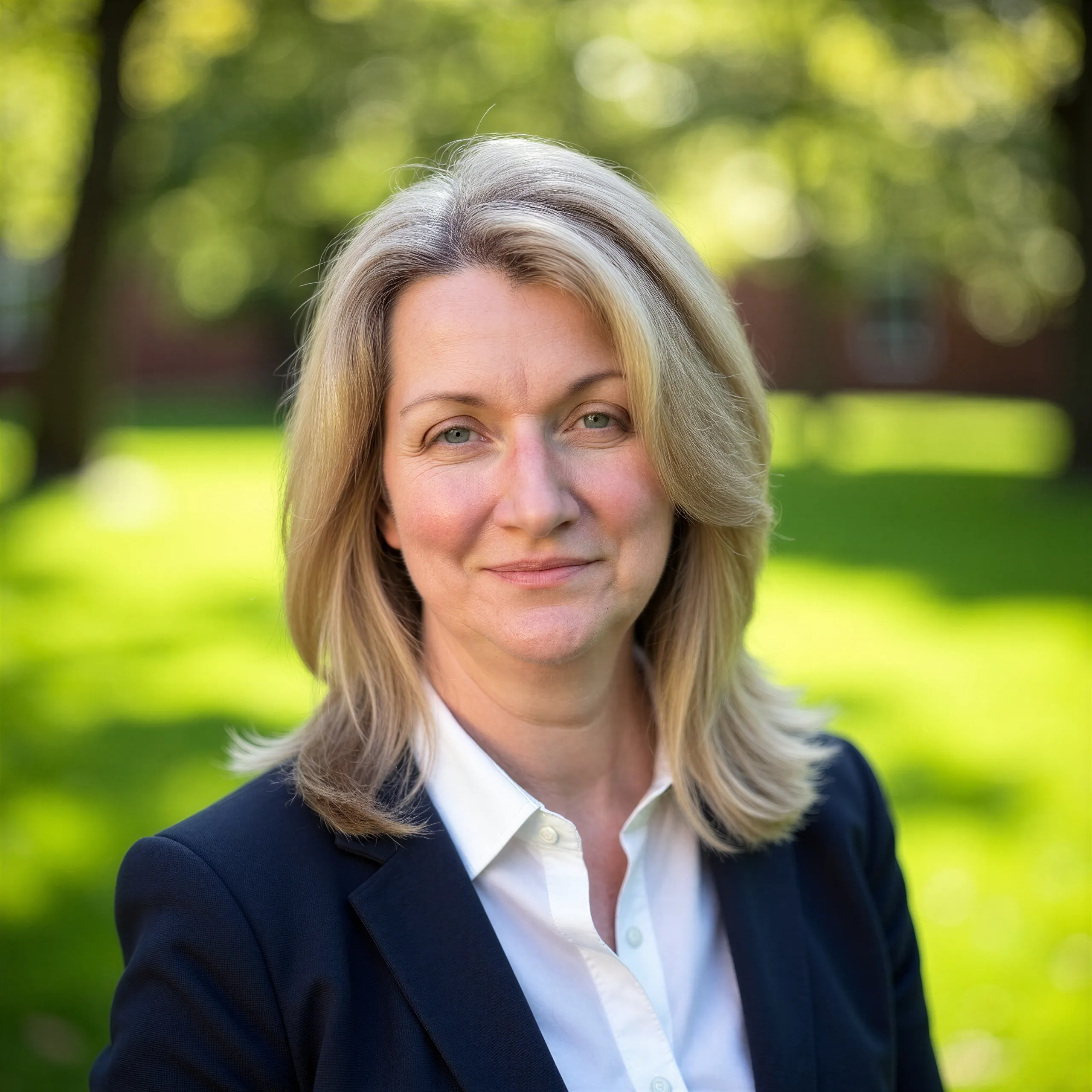
Helga Sneddon
In this support planning project, Helga led the practitioner survey, workforce-development strands and coproduction work with the British Deaf Association (BDA), and the writing of the final reports. She jointly delivered the Voices and Choices and accessibility work with Laura. In 2024-25, Helga worked on the IMPACT Managed budgets project which put people with learning disabilities at the centre of creating more user-centred processes and opportunities for meaningful community participation using self-directed support.