Developing models of community support (Direct Payments focus)
Project Background
From September 2025 to August 2026, IMPACT is working in partnership with Calderdale Council, local organisations and members of the public to develop models of community support through better use of direct payments.
A direct payment is money provided by a local authority to an individual (or someone acting on their behalf) to enable them to organise and purchase their own care and support. Through direct payments, people can take control of their personal budget and arrange support in a tailored way that meets their assessed needs and promotes their personal goals.
However, use of direct payments in England has declined in recent years, with around 9,400 fewer people using them in 2023/24 than in 2015/16. This reduction is linked to a range of issues, including shortages of Personal Assistants, limited service and support options for people to choose from, and low levels of understanding of what direct payments are and how they can be used.
In Calderdale, the council is collaborating with the community to transform its use of direct payments, with a focus on people’s choice, independence and control.
Our IMPACT Demonstrator will contribute towards the transformation work, drawing on learning from an IMPACT evidence review into enablers of good direct payment practice.
IMPACT Factfile
- Year: 2025 – 2026
- Delivery Model: Demonstrator
- Four Nations: England
- Themes:
- Resources:
Evidence Review
This evidence review identifies the key enablers of successful Direct Payment (DP) systems in adult social care, with a focus on governance, workforce, culture, and systems. The aim is to support the shift toward person-centred care and empower individuals to take control of their support.
Direct Payments are a transformational mechanism that enables people to manage their own care budget, purchasing personalised support that meets their unique needs and aspirations. Rooted in the social model of disability and the personalisation agenda of the Care Act 2014, DPs promote autonomy, choice, and control.
Key Enablers for Effective Direct Payments
Governance: Structured for Accountability and Equity
Clarity & Transparency: Co-produced, plain-language policies ensure consistency across regions and reduce postcode variation.
Proportionate Oversight: Replace rigid, receipt-based audits with light-touch, outcomes-focused monitoring that builds trust and reduces bureaucracy.
Genuine Co-Production: Embed the expertise of people with lived experience in policy design and governance (e.g., TLAP’s Making It Real framework).
Workforce: Skilled and Values Driven
Comprehensive Training: Move beyond legal compliance. Provide values-based training co-delivered by people with lived experience, focusing on personalisation and risk enablement.
Mindset Shift: Transition from a gatekeeping, risk-averse culture to a strengths-based, enabling approach. Reflective supervision and ‘personalisation champions’ can support this.
Structural Enablers: Adopt relational models like the ‘3 Conversations’ approach. Use independent brokers to support individuals and free practitioners for person-centred work.
Culture: Empowering, Not Controlling
From Paternalism to Partnership: Embed a culture of self-determination, treating individuals as experts in their own lives.
Positive Risk-Taking: Promote a balanced approach to risk that prioritises informed choice and autonomy over defensive practice.
Embedded Co-Production: Move beyond tokenism. Co-production must be ongoing, with shared power across design, delivery, and evaluation.
Systems: Designed for Flexibility and Inclusion
Accessible Information: Co-produce clear, jargon-free resources in multiple formats (e.g., Easy Read, videos) to make DPs understandable and approachable.
Diverse and Responsive Markets: Commission services that enable real choice, support micro-enterprises, personal assistants, and alternatives to block contracts.
Robust Support Infrastructure: Invest in independent support services (e.g., payroll, PA recruitment) to reduce administrative burden and enhance sustainability.
Inclusive by Design: Address systemic barriers for underrepresented groups through culturally appropriate outreach, support, and co-production.
Realising the full potential of Direct Payments is not primarily a technical issue, it is a cultural one. It requires bold leadership, investment in genuine co-production, and a fundamental shift of power from systems to individuals. When governance, workforce, culture, and systems are aligned to enable rather than control, Direct Payments become a foundation of a modern, humane, and responsive adult social care system.
Our goals
- To understand and improve staff experiences and organisational culture around direct payments by listening to staff perspectives, exploring the challenges they face, and building confidence to use direct payments in flexible ways that improve people’s care and support.
- To gather and share learning about what works, drawing on good practice from across the UK and from local examples of how direct payments are being used in practice in Calderdale.
- To work with local communities, particularly people who have had limited access to or less positive experiences of Direct Payments, to identify barriers, co-design improvements, and increase uptake and effectiveness across diverse communities.
Our progress
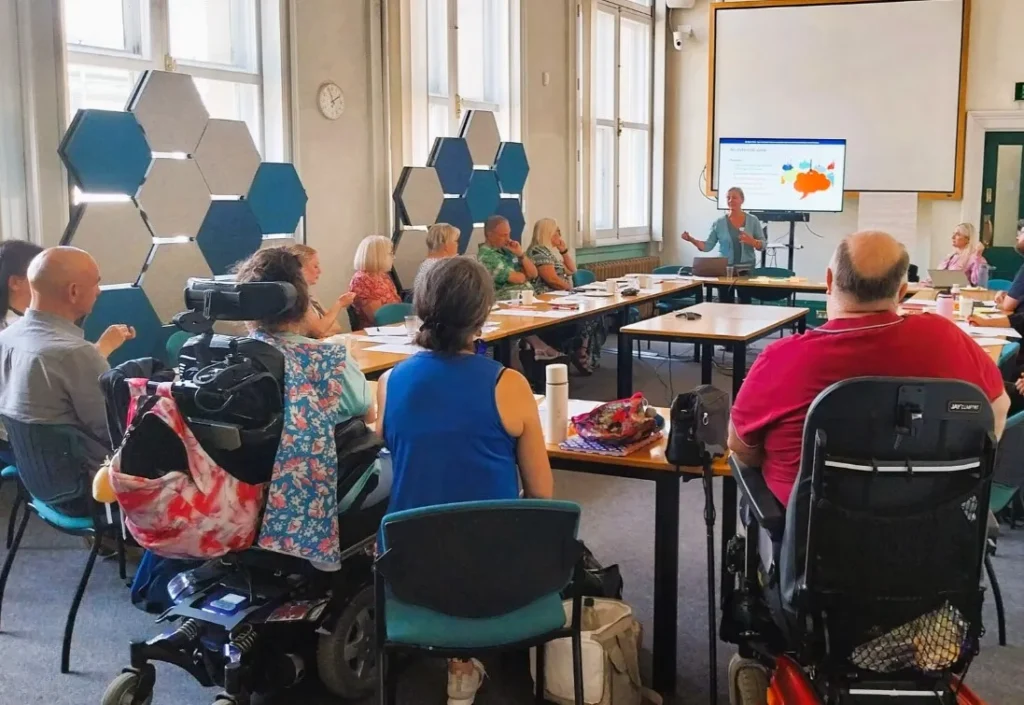
- We have spoken with more than 60 staff across Calderdale’s social care teams to understand their experiences of direct payments and gather ideas on how to better support their use.
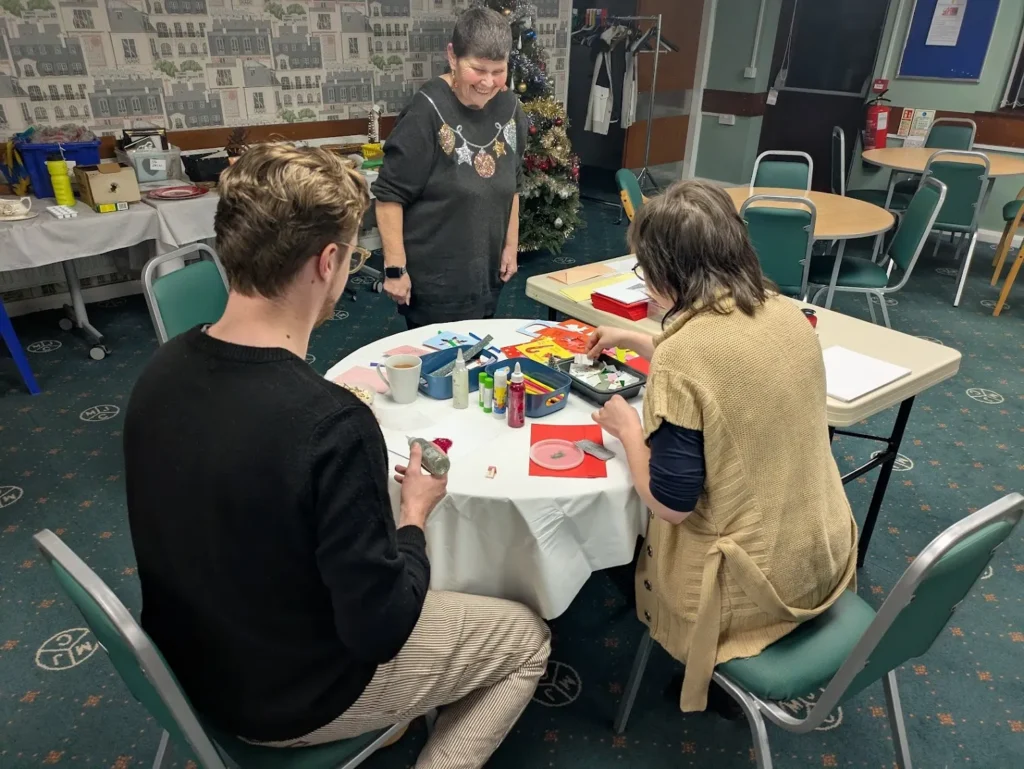
- The findings of our engagement work will inform a range of activities for staff direct payment practice, including the launch of peer-support sessions, the development of new training, and targeted work with teams that request additional support. We are delivering a programme of community events to support people who receive direct payments and social care staff in understanding each other’s perspectives and collaborating.
- We will share the insights from our work and the resources we develop with other local authorities and organisations working on direct payments at a national level, including the Department of Health and Social Care.
Meet Our Demonstrators: Oli Smithson & Chris McKessy

Oli Smithson
I joined IMPACT from the Health Foundation, where I led grant funding and strategy work on health and social care innovation. My interest in social care formed while working as a support worker at the beginning of my career. IMPACT offered a unique opportunity to combine my experience of service improvement with my desire to make a difference in social care, particularly for adults with learning disabilities.