We talk about ageing well all the time. In health strategies, in project titles, in policy documents. But we rarely stop to ask the more basic question: what do we actually mean by it? This question is one of the focuses for our Enabling people at risk of or living with frailty to age well in the Western Isles Demonstrator project, led by Marina Maciver and Patricia Clapham.
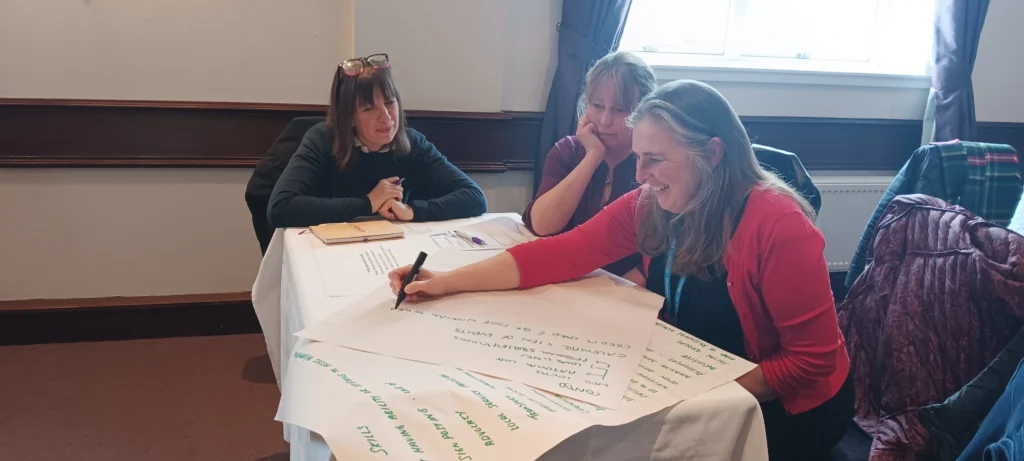
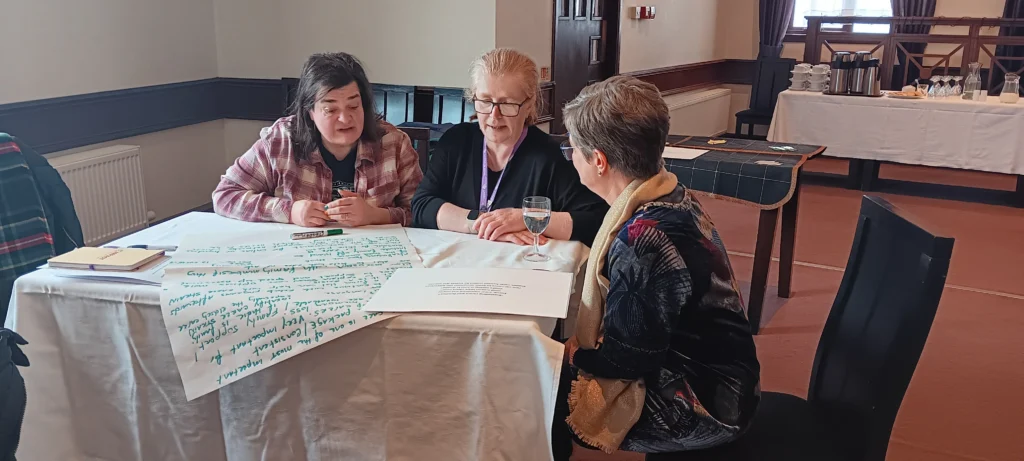
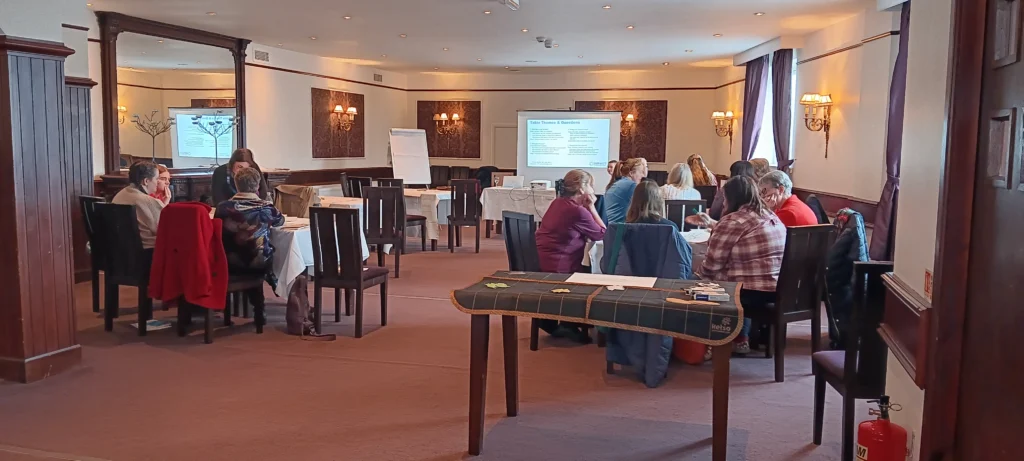
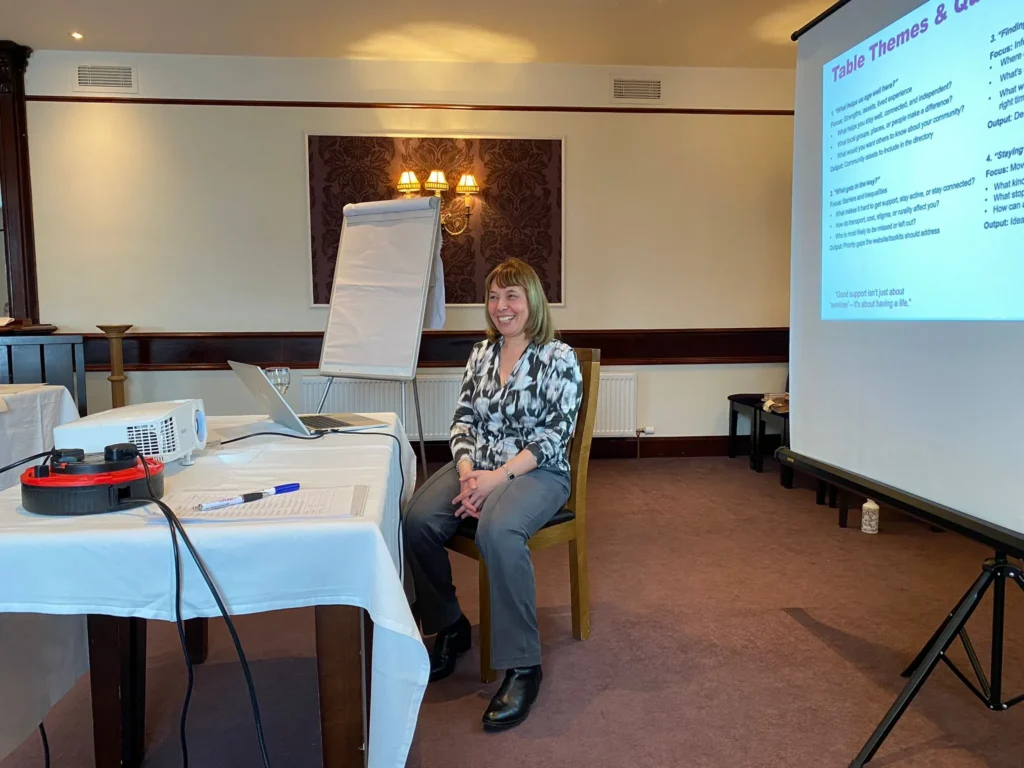
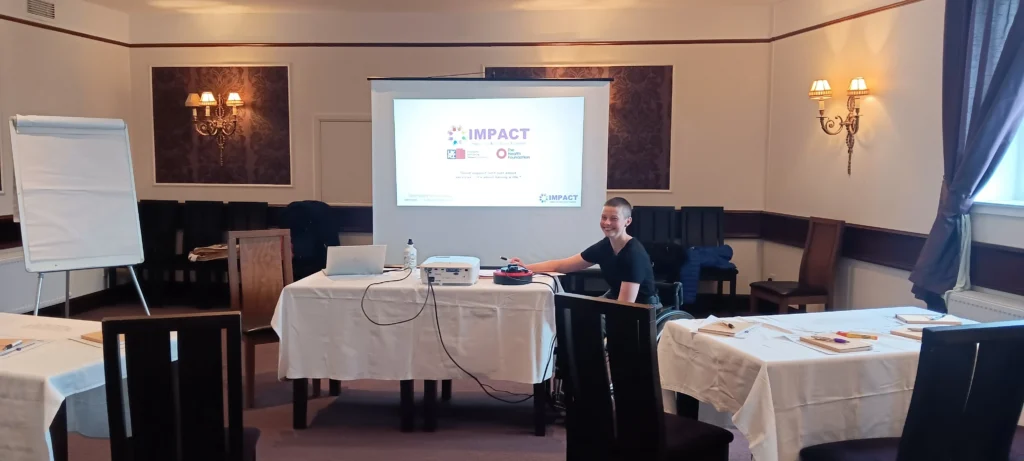
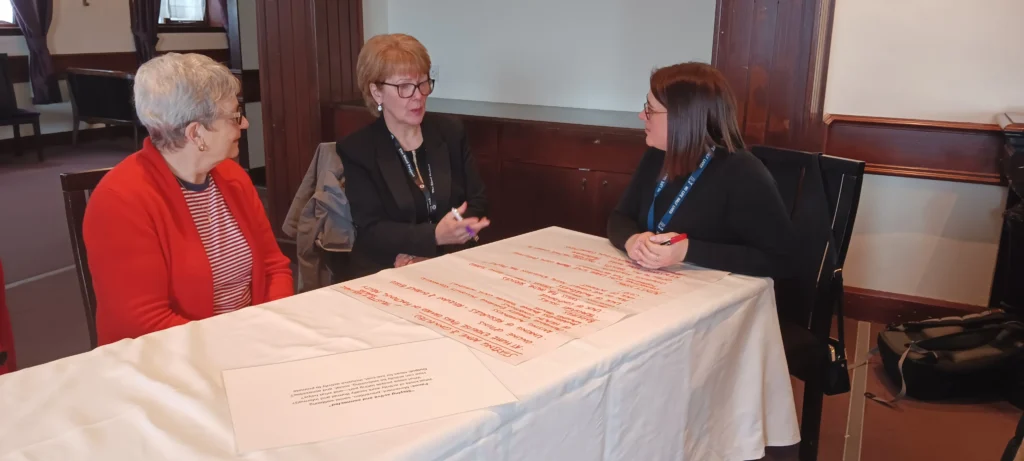
On 26 March 2026, as part of this project, fifteen people came together at a hotel in Stornoway for a World Café. They were health professionals, carers, people living with long-term conditions, and third-sector workers. They had different roles and different experiences, and over the course of an afternoon, they gave a remarkably consistent answer to that question.
Ageing well is about connection, not management
The activities people named -walking, football, knitting groups, gardening groups, community cafés – were not described as supplementary to “real” care. They were described as the things that keep people well in ways that clinical services alone can’t. When ageing well is framed primarily as a healthcare challenge, the solutions tend to be clinical. But when you ask people what actually makes a difference to their lives, the answers are relational, communal, purposeful. A life is not a set of clinical parameters. The people in that room understood this instinctively and highlighted that building systems that reflect this is key.
It depends on people being able to find support
One of the most consistent themes across every table was information. Specifically, how hard it can be to know what exists. Participants spoke about a landscape rich with local services, groups, and resources that people simply do not know how to reach. Professionals and community members alike described missing connections, outdated signposting, and the sense that navigating support requires knowledge most people don’t yet have. The good news is that this is something we can change. Making existing resources visible, accessible, and easy to navigate is one of the most practical things we can do to help people age well.
It means seeing carers and supporting them earlier
Carers came up frequently, not as an afterthought, but as a central concern. What participants described, was how often carers needs go unrecognised until a situation becomes very difficult. Earlier support, more flexible respite, and better information for families – including those living far away – were all raised as priorities. Supporting carers should not be a separate agenda from ageing well.
Ageing well means digital that works for everyone
Participants recognised that future resources will need to be online to reach the most people. They were equally clear that digital tools are only useful if they are genuinely accessible. Simple navigation, adjustable contrast and font size, video content alongside written text, and the option to request a printed copy were among the principles the group set out. The group also spoke about the importance of continuity: the real value of digital tools that are sustained and developed over time, rather than lost when funding ends.
It’s about how we tell the story of growing older
Across every conversation, participants returned to something that runs deeper than services or systems: the way ageing tends to be framed as loss, decline, dependency. That framing shapes everything; what gets prioritised, what people feel able to ask for, and how older people see themselves. The people at the World Cafe offered a different version. They talked about purpose, contribution, community, and belonging, wanting to stay connected, to feel useful, to remain part of something.
What’s next?
The findings from this World Café are now shaping what comes next: a website, a local directory, and toolkits. These are practical outputs, but their deeper purpose is to carry the values and priorities that the people who will use these outputs viewed as important.
If we talk about ageing as decline, we will produce resources that feel like they are managing a problem. But if we build from what we heard at the World Cafe – that ageing well is about connection, visibility, support for carers, inclusion, and a more hopeful story about what growing older can look like – we have the chance to build something genuinely meaningful.