Addressing challenges in delegating healthcare interventions to personal assistants using direct payments
Project Background
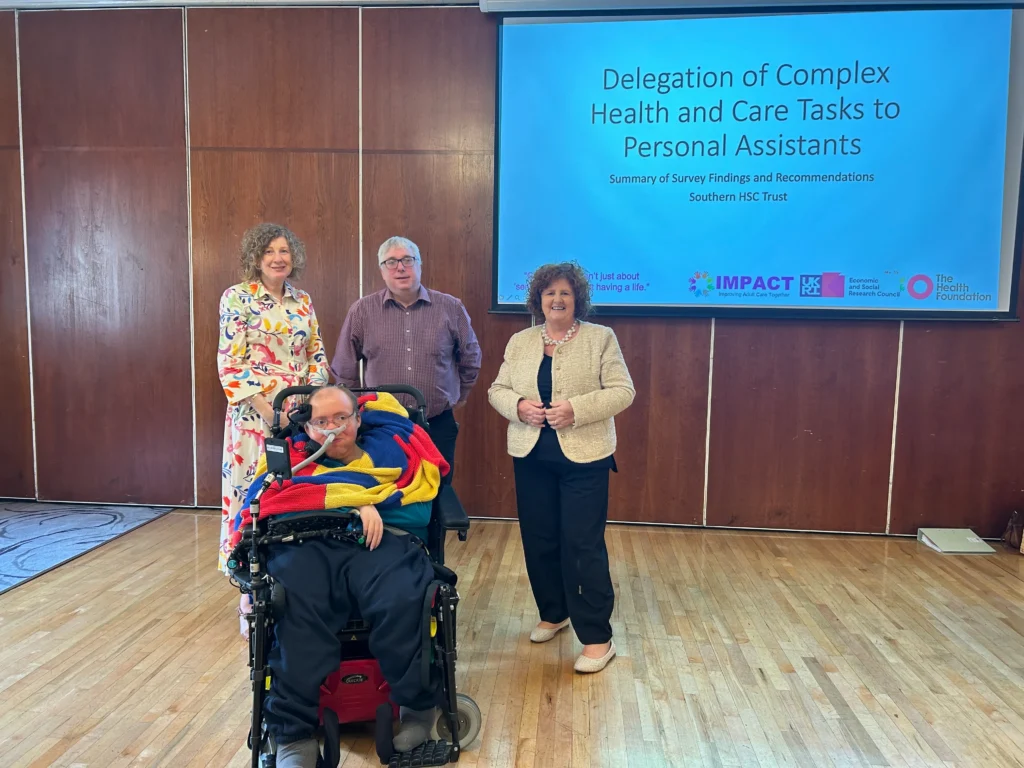
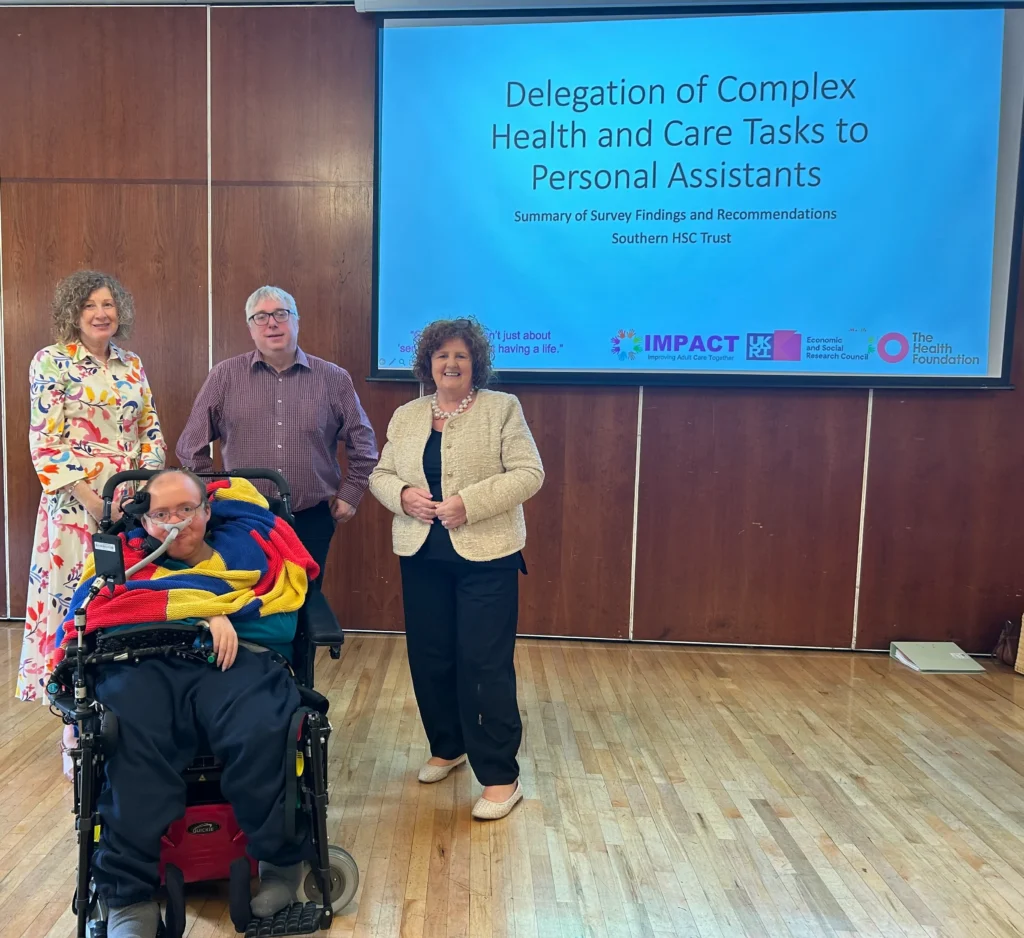
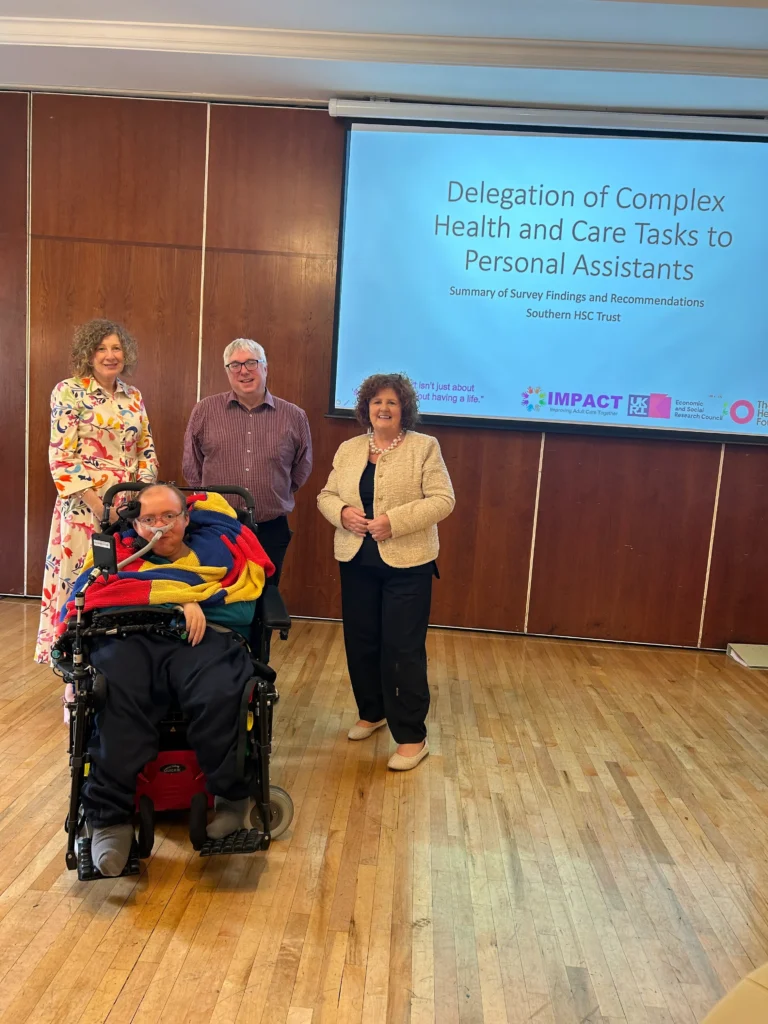
This project explored the challenges and opportunities associated with delegating healthcare interventions to personal assistants (PAs) employed through direct payments in Northern Ireland. It has been developed through a demonstrator project led by IMPACT (Improving Adult Care Together), in partnership with the Centre for Independent Living NI (CIL NI) and co-produced with Brendan Casey.
The project was initiated by CILNI following their observations of an increase in people in receipt of direct payments unable to receive delegated health care interventions across Northern Ireland due to variance in practice across health and social trusts and a lack of a shared understanding of the legislation guiding this practice.
IMPACT Factfile
- Year: 2024 – 2025
- Delivery Model: Demonstrator
- Four Nations: Northern Ireland
- Themes:
- Resources:
Key Findings
- People who draw on care want to have choice and control in making decisions about their care. Explicit arrangements for delegated health care interventions should be available to them.
- Practitioners are committed to providing safe and effective care, but they experience uncertainty around delegation frameworks, professional accountability, and the legal context of practice.
- There is a need to support develop and enhance the role of personal assistants in NI.
- Transitions between children’s and adult services are frequently disjointed, with significant impacts on continuity of care influenced by different approaches to practice and service design.
Core Themes
- The need for collective leadership to address variable understanding of delegation policies and practice across the HSC system and professions.
- The need for a shared governance framework, promoted and understood by practitioners and people who draw on care and support.
- An opportunity to refocus practice based on risk enablement to enhance opportunities for choice and control in the lives of people who draw on care and support.

Recommendations
This project resulted in the following evidence-informed insights and practical suggestions:
- Establishing a shared, multi-professional framework for delegation in the context of direct payments
- Shifting from risk avoidance to risk enablement, supported by supervision, reflection, and leadership
- Enhancing training, support, and wellbeing pathways for personal assistants
- Creating simple, accessible guidance and advocacy for all involved
- Embedding co-produced, relationship-based approaches to decision-making and improvement
Drawing on best practices from across the UK and internationally, the report also highlights key principles for shaping future practice, including the importance of co-production, clarity, continuity, and system-wide trust.
These findings highlight the need for a cultural shift from managing clinical risk to enabling good lives. With collective leadership, shared accountability, and a renewed focus on person-centred care, Northern Ireland can move towards a more confident, compassionate, and consistent approach to delegation in self-directed support.
Meet Our Demonstrators
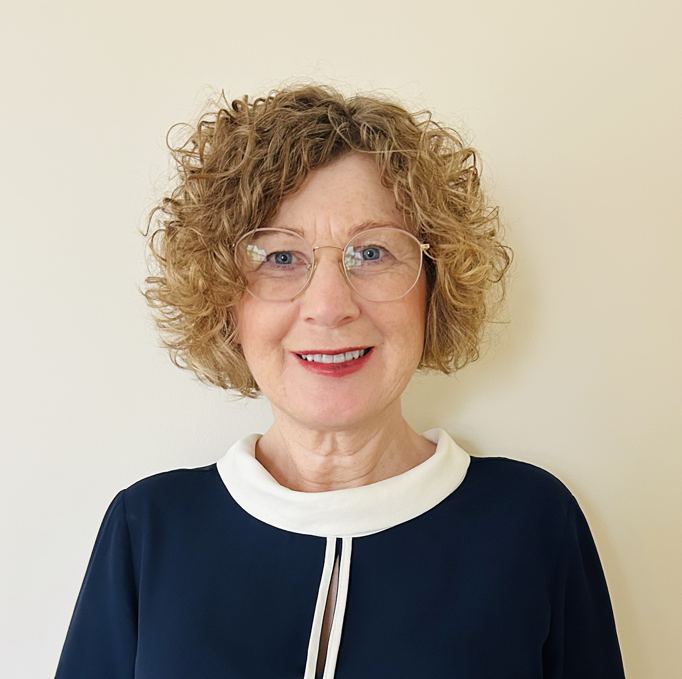
Barbara Campbell
I led the development of quality improvement for social workers in NI, the development of HSCQI (NI HSC quality improvement and Innovation approach) and was a co-design member of the Q Community for the Health Foundation.