
Raising awareness and driving improvements around pet-inclusive homelessness accommodation
Project Background
For people experiencing homelessness, their pet is often their only companion, support and family in a world of instability.
In the UK, very few temporary homelessness accommodation providers accept pets, forcing people to decide between seeking housing or staying with their pet. This project is aiming to raise awareness and drive improvements in pet-inclusive homelessness accommodation. Our goal is to shift the narrative away from a compliance-based lens of mere ‘acceptance’ which often frames pets as a problem, to a strength-based perspective that highlights what is strong rather than what is wrong. The facilitator will support this change by developing an aspirational yet practical policy template, designed to guide conversations and align commissioners and providers toward a shared vision. This project is based in North West England, and its supported by a number of host organisations including Street Paws, StreetVet, Dogs Trust (Together Through Homelessness), Vets in the Community, and Newcastle University
IMPACT Factfile
- Year: 2025 – 2026
- Delivery Model: Facilitator
- Four Nations: England
- Themes:
- Resources:
Project Activity
This project is looking at how pet inclusion can be embedded within homelessness accommodation using a strengths-based approach.
The project has now moved through several key phases: listening to people with lived experience and those working in homelessness and animal welfare; co-designing ideas through a series of online workshops; and bringing everyone together for an in-person workshop to deepen understanding and capture stories and visuals that bring it to life
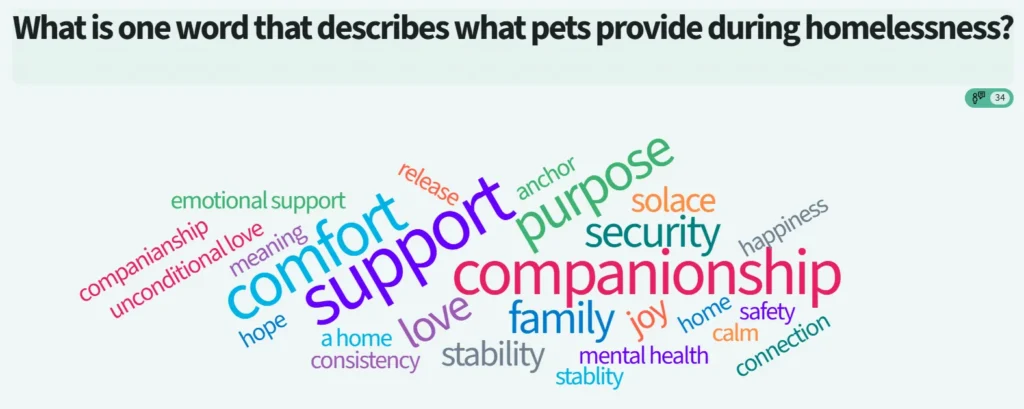
Engagement Phase
During the first three months, we focused on listening deeply to people with lived experience of homelessness who had companion animals. We also heard from staff working in homelessness accommodation and services, pet charities, commissioners from across the country, and from national organisations, including Homeless Link, Battersea Dogs & Cats, the Museum of Homelessness, and the Society of Companion Animal Studies.
What we heard fundamentally reshaped the direction of the project. People with lived experience repeatedly shared how they would “not be here without my pet,” highlighting the profound emotional and practical support their animals provide. Providers who were already pet-inclusive described how their initial concerns about allowing pets did not materialise, particularly when they had support from a pet charity offering staff training, help with policy development, and guidance for individuals on meeting their pet’s needs.
The national organisations involved have been incredibly supportive, offering webinars, online space, and active participation in both the online and in-person co-design workshops.
Co-development phase
Online Workshops
A series of four online workshops were held between February and March, bringing together more than 20 participants from provider services, animal welfare, commissioning teams, pet charities, and homelessness organisations. Each person contributed their own valuable perspective, and all worked together to co-design key elements of the template policy we are developing. This included shaping a strengths-based model, defining the scope of the policy, and agreeing on the core principles that should underpin it.
Rosie also presented at the My Dog Is My Home conference alongside Street Paws. This was a valuable moment to share the ongoing work of the project with an international audience and to highlight what has emerged from our engagement so far. It also gave us the chance to ask important questions about whether the challenges we see in the UK mirror those experienced in other countries. The
conversations that followed were insightful and helped us understand where our experiences align, where they differ, and how we might learn from approaches being taken elsewhere.

Face to face workshop
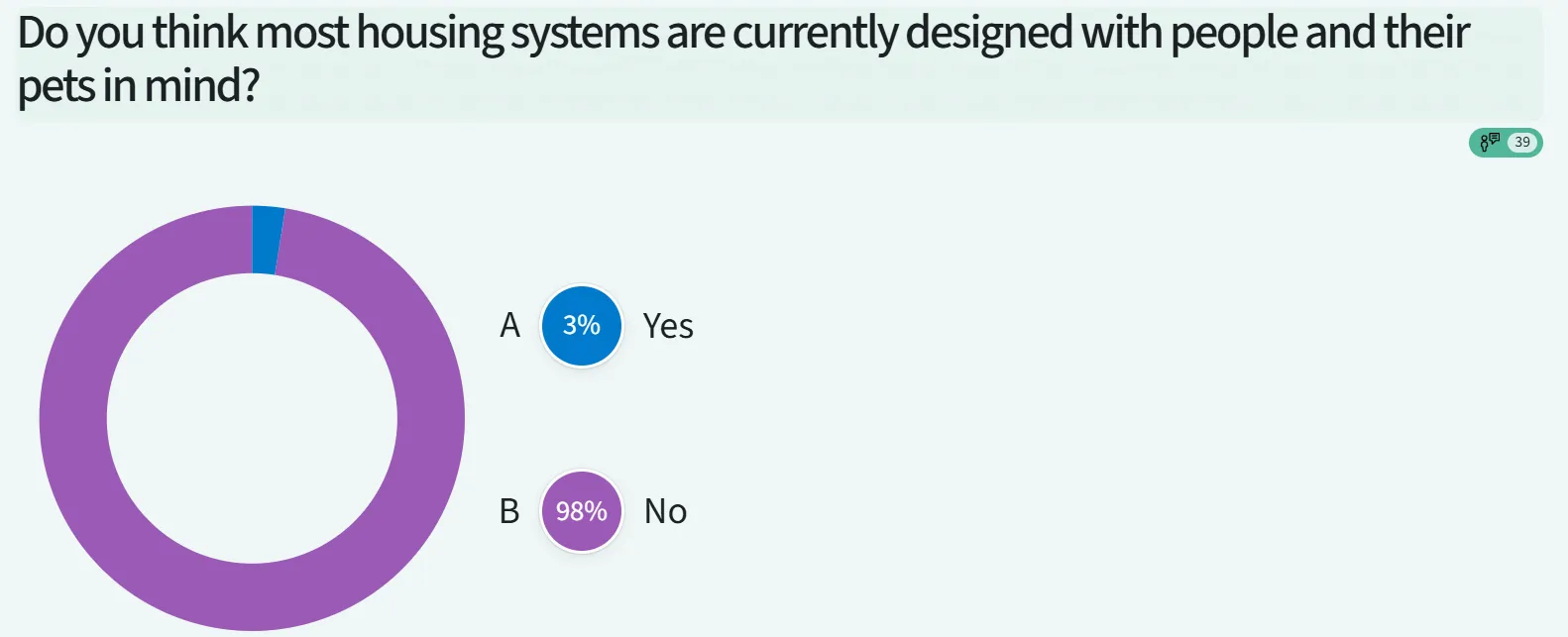
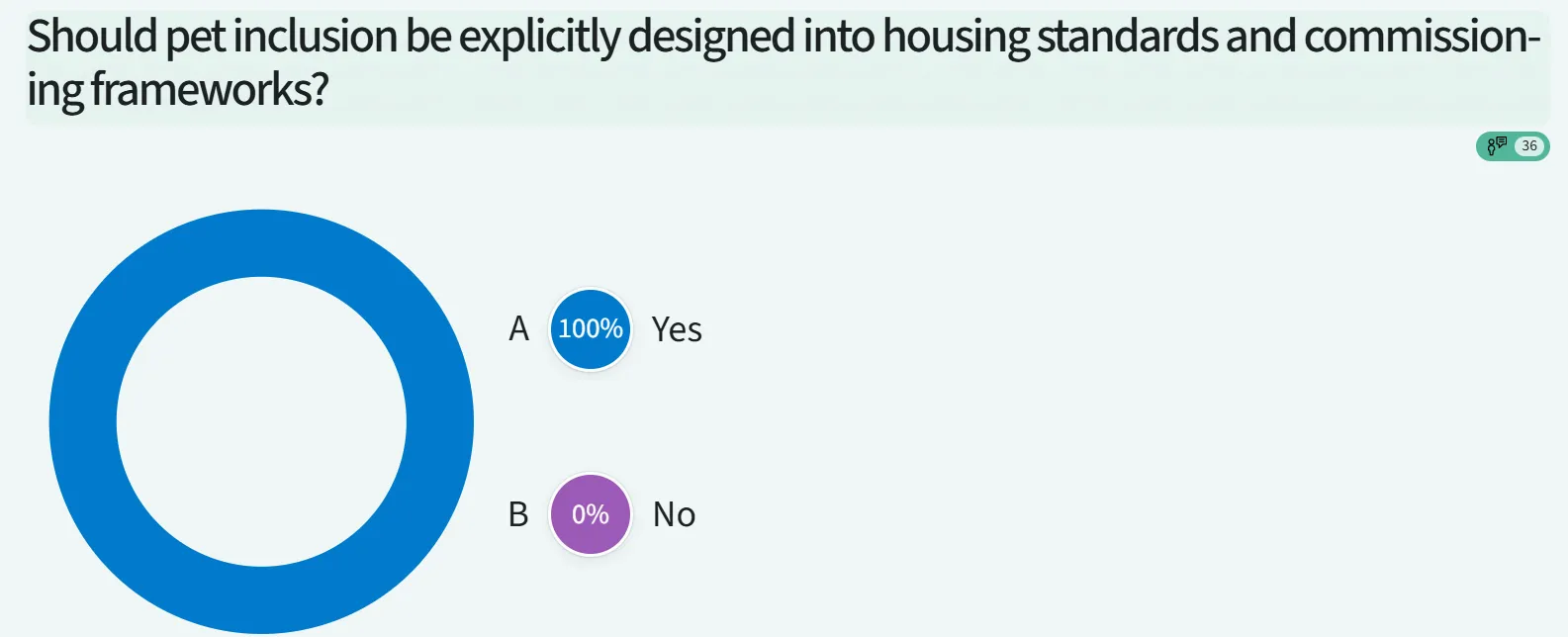
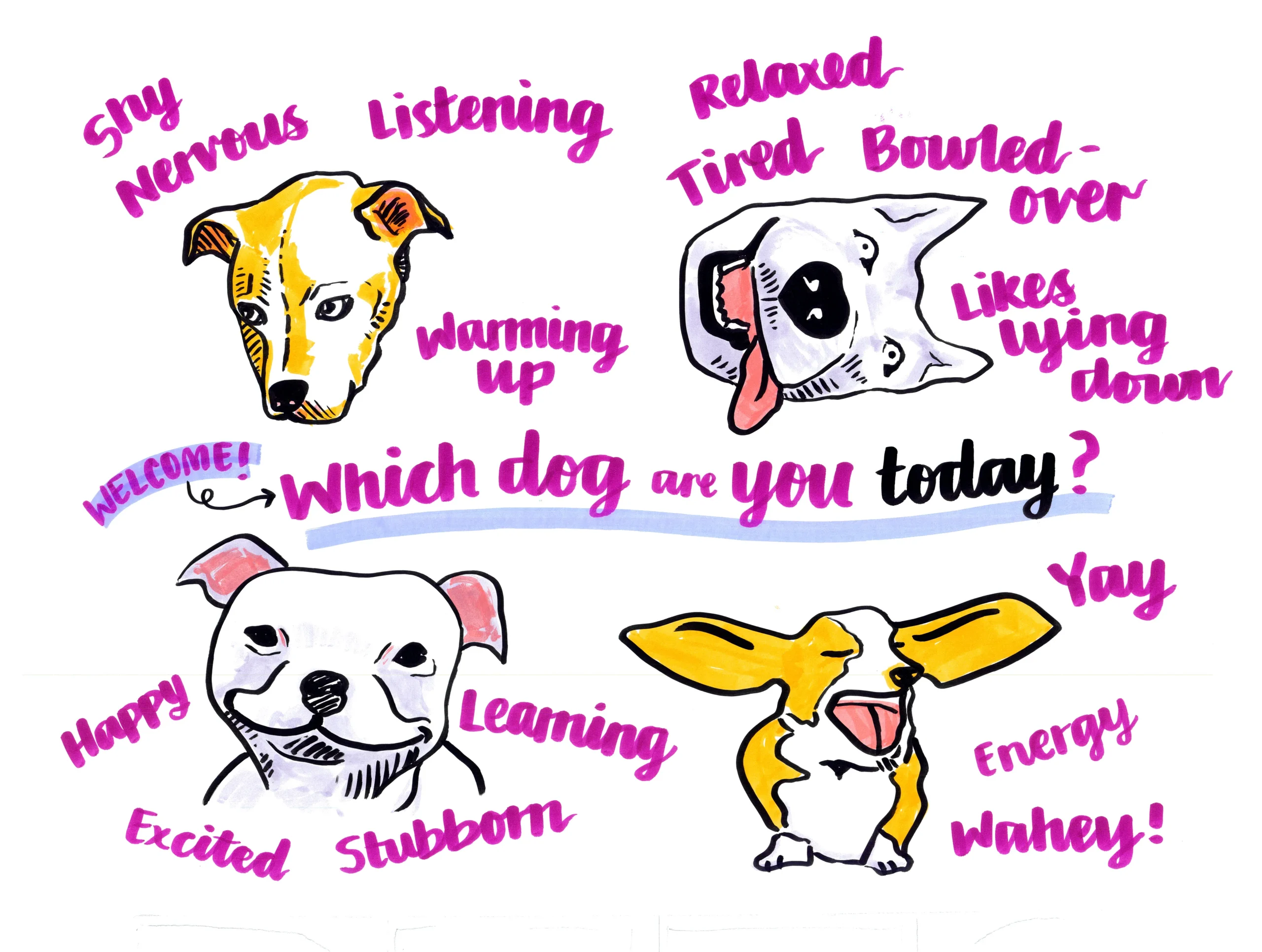
On 30 April, everyone involved in the project met together in Manchester for a workshop and were joined by a film crew from the Reporters Academy and a graphic recorder who captured the day visually. It was the first time many participants had met in person, and the atmosphere reflected a sense of shared purpose and momentum.
The aims of the day were threefold: to continue developing key elements of the template policy, to film a case study and a series of short clips that would help bring the policy to life, and to create visual materials that can be woven into the project outputs. Having the film crew and graphic recorder present helped people express ideas in new ways.
The discussions were lively, thoughtful, and generous. People built on each other’s insights, challenged assumptions, and explored what truly matters when supporting someone experiencing homelessness with a companion animal. By the end of the day, the outputs were rich, not just in terms of content, but in the sense of shared ownership and clarity about the direction of the project.
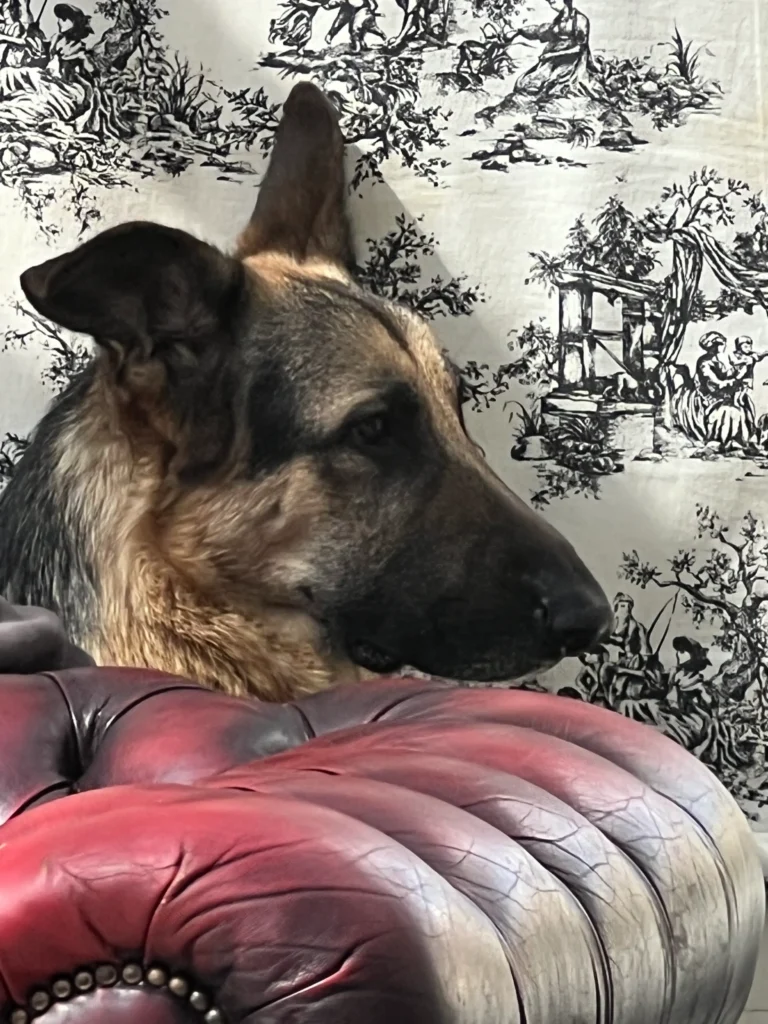
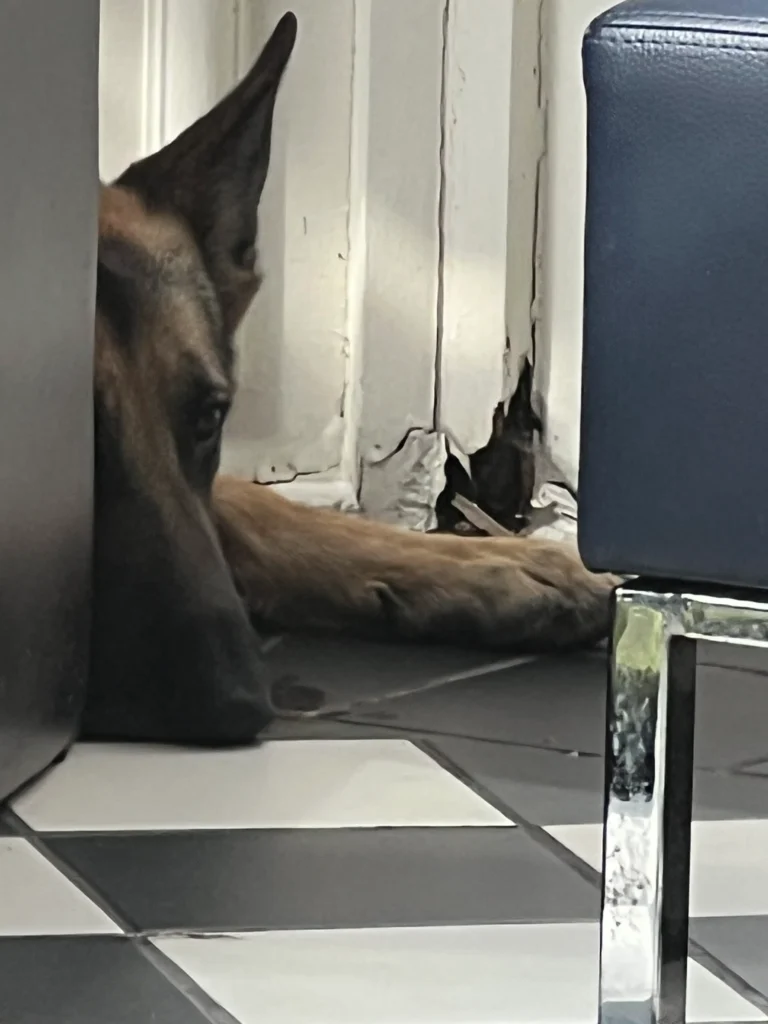
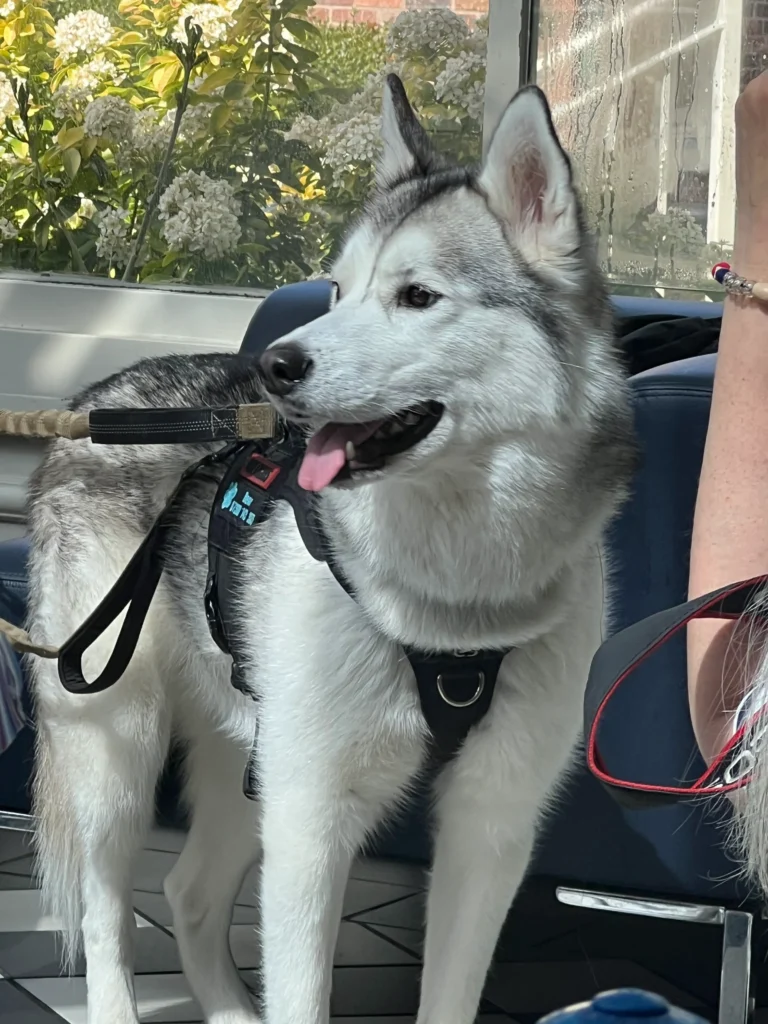
We were especially grateful that someone with lived experience was able to join us for the workshop, and his dog brought joy and a real sense of grounding to the day. Their presence was a powerful reminder of why this work matters, adding both depth and authenticity.
Filming
As well as filming during the workshop, the Reporters Academy also spent time interviewing people with lived experience in an emergency hostel that actively supports pet inclusion. The stories captured were powerful and deeply affecting, further emphasising the message that being separated from a pet is simply not an option. The love people had for their dogs was unmistakable and how well they understood their animals’ needs was highly visible in every interaction filmed. The strength of these bonds strongly reinforced the importance of creating services that recognise and respect these relationships.

Meet Our Facilitator: Rosie Ayub