Supporting more of a research culture in adult social care
Project Background
This project aims to improve adult social care in Derbyshire by shifting to a culture of co-production with citizen and practice leadership at the forefront of design and delivery.
We want to build on current co-production approaches to develop a participatory, research-led culture that uses evidence to inform strategic thinking and continuous improvement in adult social care. The host organisation supporting this project is Derbyshire County Council.
IMPACT Factfile
- Year: 2025 – 2026
- Delivery Model: Demonstrator
- Four Nations: England
- Themes:
- Resources:
What are the aims and objectives?
IMPACT is working with DCC to explore how research, evidence, and lived experience can be used together to improve services. Led by two IMPACT Senior Strategic Improvement Coaches, the project brings DCC staff, people with lived experience who have learning disabilities, and third sector partners together to test (or trial) a co-produced way of working (a Community of Practice) that could be used more widely across the council.
The project aims to leave DCC with practical tools and shared learning to support more inclusive, evidence-informed improvement in the future. There will also be opportunities to share learning in different formats for different audiences.
What we’re doing
This project involves two main groups: the CORE group and the Community of Practice group. Click below to learn how they operate.
Community of Practice group
What
- Share stories and experiences
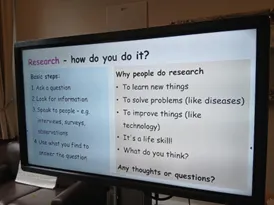
- Explore and learn about research (what it is, how to do it, why & how it’s useful)
- Explore how research can support decision-making and practice
- Test out working as a community of practice that includes people with lived experience who have a learning disability and a focus on research
- Learn how research can support the ways that ‘we’ (staff & people with LD lived experience) make decisions?
- Explore how a service might be improved?
- Learn about how research integration works in other parts of the country
Who is involved
- Four members of the Reps on Board group
- Adult social care professionals (e.g. social workers, commissioning officer, stakeholder engagement team, day services staff)
- A representative from a third sector partner organisation
- IMPACT’s Senior Strategic Improvement Coaches
How (We run the CoP Group)
The CoP group is meeting monthly, using a test, learn and reflect model. Different topics are covered at each meeting based on participants’ stories, interests, and needs that are related to research.
CORE Group
What
- Help keep the project on track with advice, support, sign-off and approval for larger decisions
- Communicate the aims & progress of the project within our networks & more broadly
- Reflect together & share our learnings from the project with each other and externally regularly
- Learning about how research integration works in other parts of the country
Who is involved
- Assistant Director
- Principal Social Worker
- Service Managers
- Group Manager
- DCC Communications and Engagement Manager
- IMPACT’s Senior Strategic Improvement Coaches
- Public Health rep?
- Children’s Rep?
How (We run the CORE Group)
The group meets weekly to make decisions together that drive and develop the project. Each CORE group member brings their unique expertise into the meeting, and we use that expertise to strengthen our decisions. We work collaboratively, ensure all voices are heard, and leave each meeting with clear next steps to keep the project moving forward.

Next steps
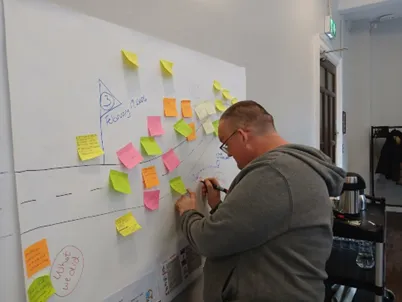
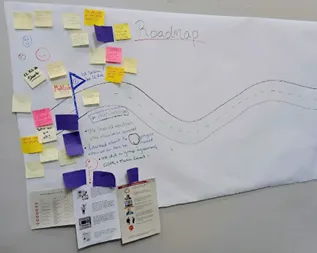
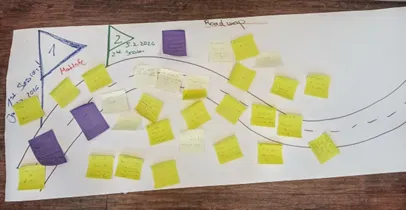
With the Community of Practice group, we are co-producing a roadmap to creatively and accessibly share how we have worked. This will cover what we did at each session, reflections, questions, milestones and feedback.
We are also developing a practical blueprint for developing and taking a Community of Practice approach to service improvement, with a focus on using research, evidence, and co-production to support this. Recommendations will be made on how to set up a CoP like ours and the benefits, challenges, and what is needed to make it happen.
Meet Our Demonstrators: Marion Oveson & Gordon Waigand
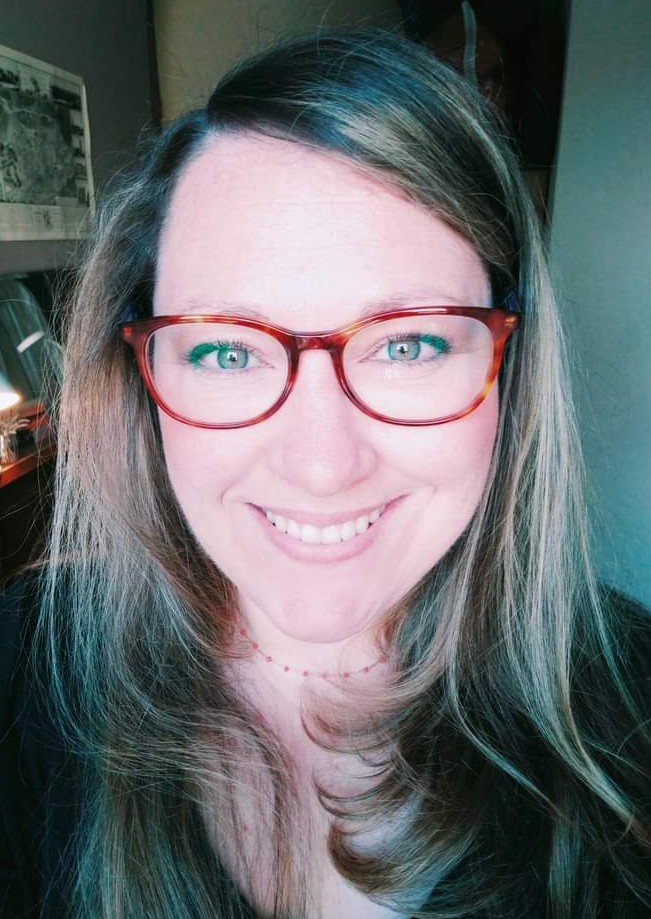
Marion Oveson